Best Cargo Bike Types in 2026 Which One Should You Buy?

A Cargo Bike can replace a surprising number of car trips, but the right design depends on what you carry, where you ride, and where you park. In 2026, buyers will still face a practical choice: a front-loader with a roomy box, a longtail with a familiar bicycle feel, a compact model for tighter storage, or a three-wheeler built for steady, low-speed hauling. Each has trade-offs. A long box may swallow groceries and a child seat, yet feel awkward in a narrow bike room.

Cargo-bike specialist Chris Nolte offers a useful rule: “Choose for the load and route you ride most, not the bike that looks most capable.” Before comparing models, picture a real Tuesday: rain on the pavement, a loaded backpack, a school pickup, and one tight turn near home. Check rated carrying capacity, braking, battery range, service access, and whether the loaded bike fits your storage space. Numbers matter, but so does a test ride with realistic weight. A bike that feels stable empty may handle differently with cargo aboard.

The sections ahead compare the main Cargo Bike types, their strengths, and their compromises. They also explain which riders may prefer each layout, from family errands to heavier everyday loads. Don’t expect one perfect answer. A front-loader can be wonderfully practical and still be too long for your hallway; a trike can feel reassuring and take more room than expected. Think carefully, then choose for your ordinary routes—not an imagined perfect week.
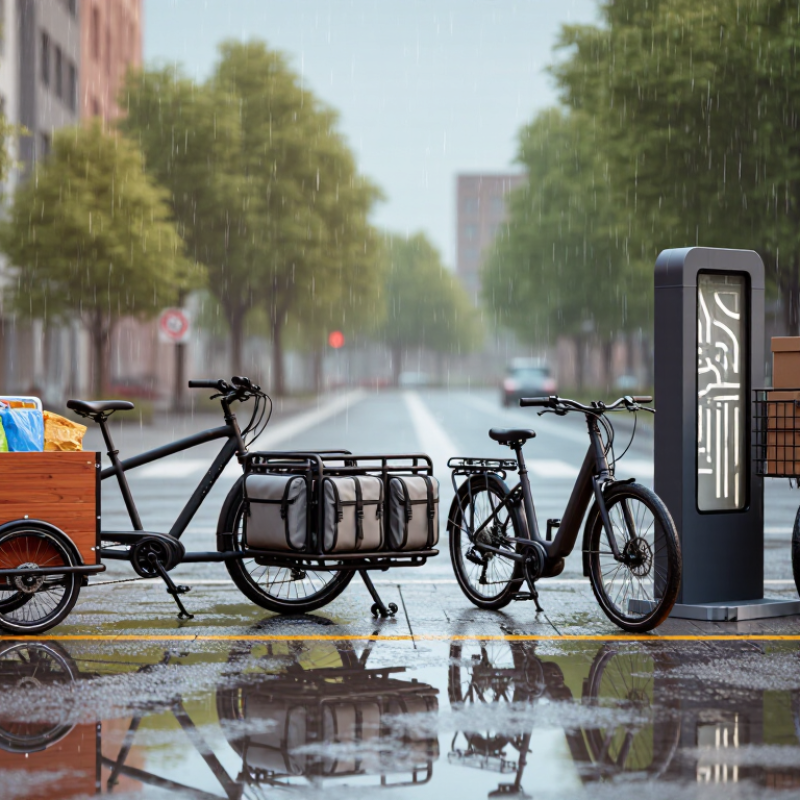
Best Cargo Bike Types in 2026 Which One Should You Buy?

What Defines a Cargo Bike and How Is It Used?

A cargo bike is a bicycle designed to carry people, groceries, tools, or other heavy items. Its frame supports a longer wheelbase, stronger wheels, and a dedicated loading area. That area may sit in front, behind, or between the rider’s wheels. Unlike a standard bicycle, it treats carrying capacity as a central function, not an occasional feature.

Cargo bikes are used for school runs, local shopping, mobile work, and short-distance deliveries. A front-loading model gives the rider a clear view of children or fragile items. A rear-loading model usually feels narrower and easier to store. Long-tail designs can carry two children with proper seats and foot supports. Electric assistance helps on hills, especially when the load includes a child, groceries, or work equipment. Weather changes everything. Waterproof covers, lights, and reliable brakes deserve serious attention.

I have found that a cargo bike can replace many short car trips, but it does not suit every household. Storage space, stair access, road width, and charging options affect daily use. I once underestimated how difficult a fully loaded bike felt on a steep turn. That mistake changed my view of useful capacity. A realistic test ride should include braking, tight corners, parking, and a familiar route. The best type depends less on appearance and more on the weight, distance, and people you regularly carry. Some buyers also need time to develop balance and loading habits.

Which Cargo Bike Types Are Available in 2026?

Cargo bikes in 2026 come in several practical shapes. A longtail has an extended rear rack for bags, boxes, or child seats. It rides much like a standard bicycle, though a loaded rear end can feel less nimble at low speeds. Check the rack’s weight limit, not just the bike’s total capacity.

Front-loader bikes carry cargo in a box or platform ahead of the rider. The front position makes children or bulky groceries easier to see and reach. Some models use two wheels; others use three. A two-wheel design may feel more natural in turns, while a trike can stand securely when parked. It may also handle uneven pavement awkwardly. Small details matter.

Midtails offer a shorter rear extension than longtails, which can help in tight storage spaces. Compact cargo bikes use smaller wheels and frames to fit crowded garages or public transport, but small wheels can feel different over potholes. Electric assistance is available across many layouts, though battery range depends on load, hills, weather, and riding style. Labels are not perfectly consistent between sellers, so compare measurements and carrying limits rather than relying on names alone. A useful test is to load the bike with a similar weight and take a slow turn. The first ride can be surprising.

How Do Cargo Bike Types Differ in Capacity and Handling?

Best Cargo Bike Types in 2026 Which One Should You Buy?

How Do Cargo Bike Types Differ in Capacity and Handling?

Cargo bike capacity depends on more than the advertised load limit. A longtail carries bags or a child seat behind the rider, much like a stretched bicycle. It usually feels familiar and stays relatively narrow, which helps when filtering through tight streets. But a heavy load sits high and behind you. At low speed, that can make the bike feel less settled. A front-box cargo bike places its load ahead of the rider, often giving space for bulky shopping or several children. The trade-off is a wider, longer vehicle and a different steering feel. Take a test ride with realistic cargo. Empty-bike handling can mislead.

Three-wheelers can stand upright when parked and may suit frequent heavy loading, but their wider footprint and cornering feel take adjustment. Two-wheel models generally lean into turns like ordinary bicycles, though long frames need more room to maneuver. These are tendencies, not guarantees; wheelbase, steering design, tires, and load placement all matter. The European Cyclists’ Federation’s Cyclelogistics Ahead project estimated that 51% of motorized goods trips in European cities could potentially shift to bicycles. That figure describes trip potential, not a promise that every bike can carry every load. Put the heaviest items low, secure them against movement, and check the maker’s total-load limit before buying. Small detail. It changes the ride.

Best Cargo Bike Types in 2026: Capacity and Handling

Typical cargo payload ranges vary by frame, components, and manufacturer. These broad estimates exclude the rider; check a specific bike’s rated limits before buying.

How they handle: Midtails are compact and usually feel closest to a standard bike. Longtails carry cargo behind the rider and remain relatively narrow, but a heavy rear load can affect balance. Front-loaders put cargo low and forward, offering a stable platform but requiring adjustment to their longer frame. Trikes can carry bulky loads at low speeds, though their wider stance and cornering feel take getting used to.

Which Type Fits Your Loads, Routes, and Storage Needs?

Best Cargo Bike Types in 2026: Which One Should You Buy?

Which Type Fits Your Loads, Routes, and Storage Needs?

Choosing a cargo bike starts with your daily load, not its appearance. A longtail suits children, groceries, and narrow cycle lanes. It feels similar to a standard bicycle, but rear weight can affect balance. A front-loader offers a stable box for bulky items, pets, or several bags. It needs more turning space and careful parking. A tricycle works well for heavy loads and slower routes. However, its width can become awkward near bollards, lifts, and apartment doors. The European Commission’s 2020 Sustainable and Smart Mobility Strategy projects urban deliveries will rise 36% by 2030. That growth makes efficient, space-conscious transport increasingly relevant.

Route and storage should guide the final choice. Choose smaller wheels and a shorter frame for crowded streets or indoor storage. Choose stronger carrying capacity for hills, frequent deliveries, or uneven roads. Measure your doorway, lift, storage rack, and turning area first. This simple step prevents expensive regret. I once underestimated hallway space; the bike carried everything, but could not pass the entrance comfortably. That detail matters more than a specification sheet.

Tips: Pack your heaviest items low and near the frame. Test the loaded bike before buying. Ride your normal route, including slopes and tight corners. Check independent testing reports, load ratings, braking performance, and service support. The European Cycle Logistics Federation notes that cargo bikes can replace many short urban delivery trips, but results depend heavily on route design and payload. A perfect type does not exist. Your routine decides.

What Factors Should Guide Your Cargo Bike Purchase?

Best Cargo Bike Types in 2026: Which One Should You Buy?

What Factors Should Guide Your Cargo Bike Purchase?

Start with the load you actually carry. A weekly grocery run needs less capacity than hauling two children, school bags, and a rain cover. Measure your usual cargo, including its weight, and check the bike’s rated payload. The European Cyclists’ Federation’s 2014 study, Cyclelogistics, estimated that cargo bikes could replace about 51% of motorized goods trips in European cities. That estimate describes potential, not a promise for every household. Your route matters more than a headline.

A longtail handles much like a regular bicycle, but its extended rear rack needs room for passengers or bulky bags. A front-loader offers a stable cargo box and clear passenger space, though it can feel wide in tight bike lanes. Consider steep hills, secure parking, and whether you can lift the bike over a step. Battery range also depends on load, temperature, hills, and assist level; test the bike with realistic weight, not an empty showroom setup. Small detail, big difference.

Check service access, replacement battery costs, brakes, and the warranty before buying. The U.S. Consumer Product Safety Commission’s 2023 micromobility report recorded 233 fire and overheating incidents involving e-mobility devices in 2022, underscoring the value of certified electrical systems and careful charging. Ask a qualified mechanic about battery certification and local repair support. Then take a loaded test ride. If the steering feels awkward, give it time—but do not ignore it.

Best Cargo Bike Types in 2026: Which One Should You Buy? — What Factors Should Guide Your Cargo Bike Purchase?
Cargo Bike Type Typical Configuration Best Suited For Typical Cargo Capacity Key Advantages Main Trade-Offs Factors to Check Before Buying
Longtail Standard-length bicycle frame with an extended rear rack and reinforced rear wheel. Everyday commuting, school runs, groceries, and riders who need a versatile bike for mixed use. Often around 45–100 kg (100–220 lb) of rear cargo, depending on the model and rack rating. Rides more like a conventional bicycle; usually easier to store and maneuver than a long-front cargo bike. Passengers and cargo are concentrated behind the rider; heavy or high loads can affect handling. Check the rack’s stated load limit, passenger-footrest and handhold options, wheel strength, and total permitted rider-plus-cargo weight.
Front-loader (Long John) Extended wheelbase with a cargo platform or box between the handlebars and front wheel. Carrying children, bulky shopping, or loads that benefit from being visible and easy to access. Commonly around 60–100 kg (130–220 lb) in the front cargo area; limits vary by design. Large, accessible cargo area; the load is generally positioned low and in front of the rider. Longer overall length requires more storage space and practice when turning or parking. Measure storage and parking space; test steering with a loaded box; verify box, seat, belt, and total-weight limits.
Three-Wheel Cargo Trike Three wheels with a front or rear cargo box or platform; may use a tilting or non-tilting design. Stable, low-speed deliveries and riders who prefer a broad loading area or do not want to balance at a stop. Often around 80–150 kg (175–330 lb) of cargo, depending on frame and configuration. Can stand upright without a kickstand and can accommodate wide or heavy loads. Usually wider and heavier than two-wheel options; non-tilting models may handle turns differently from bicycles. Check width against doorways and paths, turning behavior, brake capacity, parking space, and the manufacturer’s load instructions.
Compact Cargo Bike Shorter frame with an extended or reinforced rear rack, often designed to retain a relatively compact footprint. Urban trips, apartment storage, and riders who need cargo capability without a full-length frame. Frequently around 40–80 kg (90–175 lb) of cargo, depending on rack and frame ratings. More compact for storage and parking than many longtails; practical for routine loads. Typically offers less cargo space and passenger flexibility than larger cargo-bike formats. Check rack compatibility, passenger provisions, wheel size and replacement availability, and whether the intended load fits securely.
Electric Cargo Bike Longtail, front-loader, trike, or compact cargo design fitted with pedal-assist or another electric-assist system. Longer routes, steep hills, frequent heavy loads, or riders who want motor assistance while carrying cargo. Capacity is determined by the bike’s frame and cargo-area rating, not by the motor; commonly ranges from about 40–150 kg (90–330 lb). Assistance can make hills and starts with a load less demanding; useful for longer or more frequent trips. Costs more than many non-electric models and requires battery charging and system maintenance. Compare battery range under load, charging and storage needs, motor assistance limits, service access, and the bike’s total weight rating.
Non-Electric Cargo Bike Any cargo-bike frame type powered by the rider without an electric-assist motor. Shorter or flatter trips, lighter loads, and riders seeking a simpler bike with no battery to charge. Varies by frame and rack; check the stated cargo and total-system-weight limits for the specific bike. No battery charging requirement and generally simpler electrical maintenance. Heavy loads and steep routes require more physical effort, especially when starting or climbing. Assess route hills, usual cargo weight, gearing, brakes, and whether you can comfortably accelerate and climb with a load.
Buying note: Cargo capacities are broad, model-dependent examples rather than universal standards. Before purchasing, confirm the exact manufacturer-rated cargo limit, maximum system weight (rider, bike, and cargo), local e-bike rules, and the fit of the bike and accessories for your intended use.

Article Source: