What Is the Best On Grid Solar System in China?
Choosing the best On Grid Solar System in China depends on more than panel wattage. Roof direction, local sunlight, grid access, and daytime electricity use all shape performance. The National Energy Administration reported 277.17 GW of newly installed solar capacity in China during 2024, bringing cumulative capacity to 886.66 GW. These figures show the scale of the market, but they do not identify one system as best for every home or business. Numbers need context.
A useful comparison starts with the components: efficient modules, a grid-tied inverter, suitable protection devices, and competent installation. IEA PVPS’s Trends in Photovoltaic Applications 2025 provides international market context, while China’s NEA statistics offer a domestic benchmark. Neither report ranks specific brands or guarantees savings at an individual site. That distinction matters. A system on a shaded urban roof may need a different inverter configuration from one on a clear, south-facing factory roof. Buyers should also check generation estimates, equipment warranties, monitoring functions, and the installer’s documented experience. Ask for assumptions behind projected output, not just an attractive payback figure.
This guide compares the practical trade-offs behind Chinese on-grid systems, including component quality, system sizing, and service support. It also treats “best” cautiously: prices, product availability, and grid conditions vary by province and project. Even a careful estimate can miss local details. That is worth admitting before choosing. The goal is a system that fits the site, performs reliably, and can be verified with clear technical data.
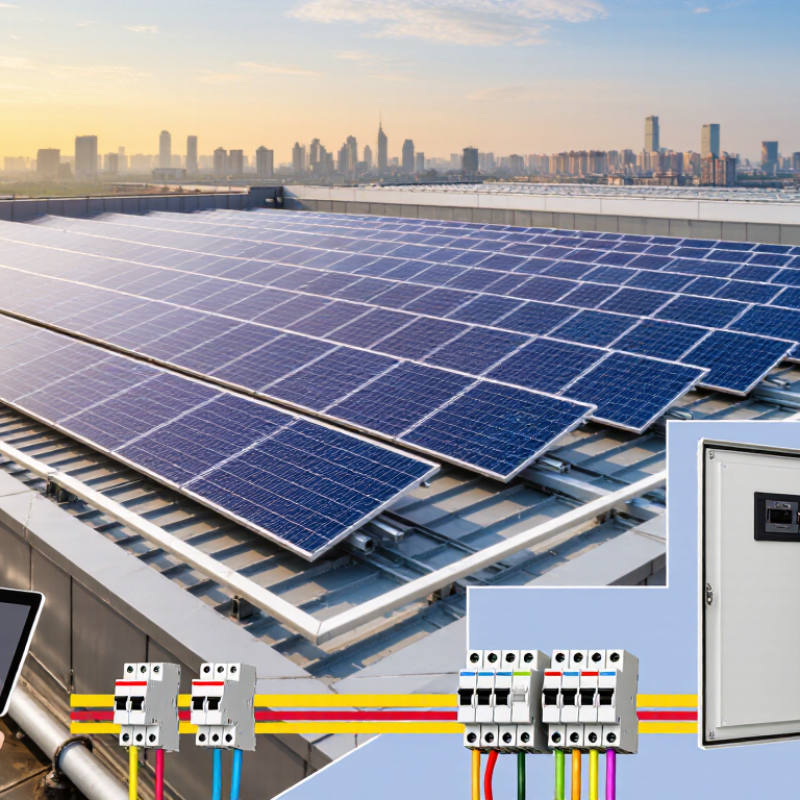
What an On-Grid Solar System Is and How It Works in China
An on-grid solar system connects rooftop panels to a building and the local electricity network. In China, solar modules produce direct-current electricity, which an inverter converts into grid-compatible alternating current. The inverter monitors voltage and frequency, then supplies solar power to household circuits. The lights use it right away.
When production exceeds demand, surplus electricity may flow through a suitable meter to the grid, subject to local connection arrangements. After sunset or during cloudy weather, the home draws electricity from the grid as needed. Metering and settlement details can vary by location, so homeowners should confirm current requirements with their local utility before installation.
Grid-connected systems usually shut down during a power outage to protect utility workers and equipment. They do not automatically provide backup power. A battery and suitable isolation equipment may be needed for that function. System sizing should reflect actual electricity use, roof direction, shading, and seasonal conditions. Even a careful estimate can miss a tree’s afternoon shadow. That matters. Reliable design depends on an on-site assessment, clear equipment specifications, and installation by qualified professionals.
Core Components of a Grid-Connected Solar System
A grid-connected solar system depends on more than its panels. Its core components are photovoltaic modules, mounting structures, a grid-tied inverter, cables, protective devices, and a meter. Each part affects safety, energy yield, or maintenance. In China, roofs may face intense summer heat, dust, coastal humidity, or winter snow, so component selection should reflect the site. IEA PVPS reported that China added 216.9 GW of solar capacity in 2023, in its Snapshot of Global PV Markets 2024. That rapid expansion makes careful system design especially important.
Modules convert sunlight into direct-current electricity. The inverter converts it to alternating current and synchronizes output with the grid. Its capacity should suit the array and expected operating conditions, not simply match a catalogue number. Cables, connectors, isolators, and surge protection carry or interrupt current; poor connections can create heat and losses. Mounting rails must also handle local wind and snow loads. Small details matter.
A meter records exported and imported energy, while monitoring equipment helps identify underperformance. NREL researchers Jordan and Kurtz reported a median module degradation rate near 0.5% per year in their 2013 review. Real systems can differ. Shade, heat, installation quality, and maintenance all affect results. A tidy design drawing cannot reveal every weak connector or unexpected roof obstruction. Commissioning checks and periodic inspection are practical safeguards, though they cannot prevent every failure.
How to Assess Solar System Performance and Reliability
When evaluating an on-grid solar system in China, look beyond its rated capacity. Compare the expected annual energy yield with the roof’s orientation, tilt, shading, and local weather. A site visit can reveal afternoon shadows from nearby buildings that a sales estimate may miss. Small details matter.
Check whether the inverter records daily output, grid interruptions, and fault alerts. Compare monthly production with weather data, not just with last year’s totals. Heat, dust, loose connections, and poor ventilation can reduce output or shorten equipment life.
Ask for commissioning records, protection settings, and a clear maintenance plan. Check the logs. Confirm that the design suits the local grid connection requirements, which can differ by project location.
A tidy spreadsheet can still hide weak assumptions, so review the inputs and ask how estimated yields were calculated. No system performs exactly as predicted.
Key Factors in Choosing an On-Grid System in China
What Is the Best On Grid Solar System in China?
Key Factors in Choosing an On-Grid System in China
The best on-grid system depends on the building, local grid conditions, and how electricity is used. A sunny roof is not enough. Check its usable area, shading, orientation, and structural condition before estimating capacity. A narrow roof beside a taller apartment may lose morning sun. That detail can change expected output.
Review electricity bills across different seasons, and compare them with daytime demand. A household that uses power during daylight may consume more solar electricity directly. Export payments and connection requirements can vary by location and utility. Ask the local grid operator how exported power is handled before finalizing the system size. Bigger is not always better.
Equipment selection matters, too. The inverter should suit the array and the site’s electrical connection, while protection features should meet applicable grid requirements. Request clear design documents, expected production assumptions, and commissioning records from the installer. Not always. Forecasts are estimates, and local weather or shading can reduce actual generation. I would also leave room to question optimistic payback claims; a neat spreadsheet cannot capture every change in household use or tariff rules.
Which System Configuration Best Fits Each Project?
The best on-grid solar system depends less on a standard package than on the project’s daily load, roof, and grid connection. A small shop with a clear south-facing roof may suit a compact string-inverter system. Several roof sections with different orientations may need separate tracking inputs to reduce mismatch. Small roofs differ.
For a factory, assess daytime demand before choosing system capacity. A production line that runs through sunny hours can use more solar power directly. If demand falls at weekends, a smaller array may be more practical than maximizing roof coverage. Check roof structure, shading from nearby buildings, cable routes, and the site’s connection capacity. These details change the design.
Grid conditions also matter. Ask the local utility or qualified project engineer about export limits, protection settings, and required metering before equipment is selected. Battery storage is not automatically necessary for an on-grid system; it may add value when backup power or load shifting is important. It can also add cost and maintenance. A perfect forecast is rare, so compare actual electricity bills and interval load data where available. One weak point in many proposals is treating annual consumption as enough; timing matters too. A configuration should fit the site, not just look good on paper.