What is a Disposable Vape and How Does it Work?
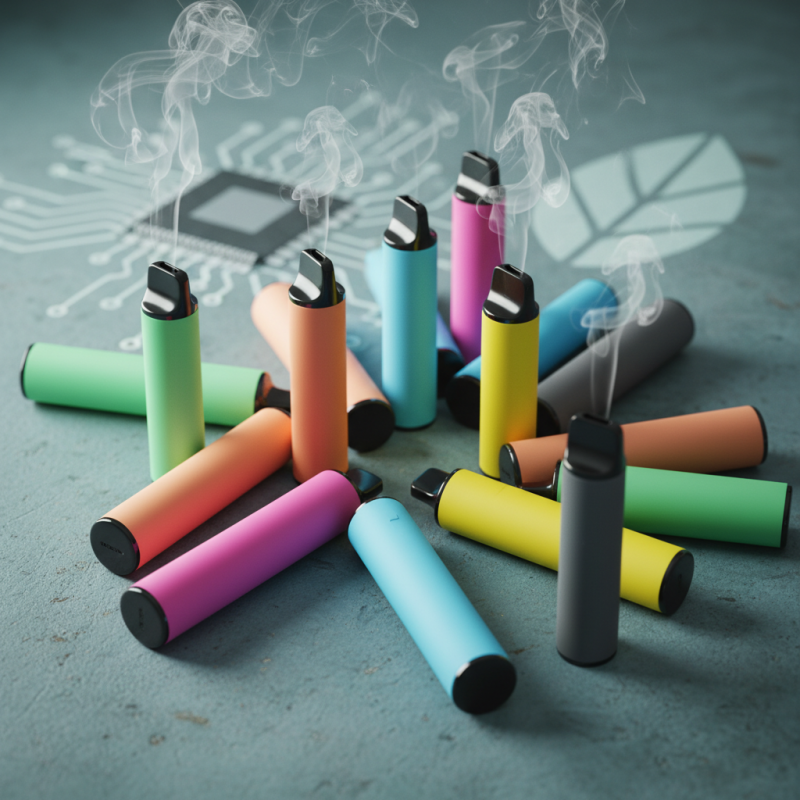
Disposable vapes have gained immense popularity in recent years. These devices offer a convenient and hassle-free way to vape. A disposable vape is a pre-filled device designed for one-time use. Users appreciate their portability and ease of use.
Unlike traditional vapes, disposable vapes require no refilling or recharging. When the e-liquid or battery is depleted, users simply dispose of the device. This simplicity can sometimes lead to over-reliance on these products. While they are easy to use, it’s important to be mindful of their environmental impact.
The core function of a disposable vape is to deliver nicotine in a flavorful mist. Many users experience satisfaction quickly, as the devices often contain high nicotine concentrations. However, this instant gratification raises questions about long-term health effects. Awareness and reflection on usage patterns are crucial. As with any vaping product, responsible use and understanding are essential.
What is a Disposable Vape?
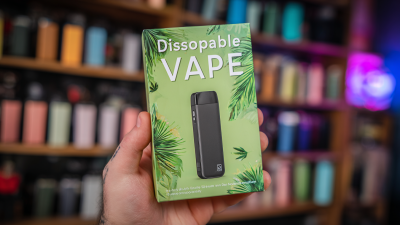
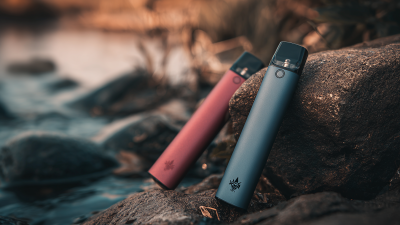
A disposable vape is a compact and convenient device designed for single-use. These devices come pre-filled with e-liquid and are typically powered by a built-in battery. Unlike traditional cigarettes, disposable vapes do not produce harmful tar or ash and can offer flavors like fruit or menthol. According to a report by Transparency Market Research, the global disposable vape market is projected to grow significantly due to rising demand for vaping products, anticipated to reach $24 billion by 2028.
The appeal of disposable vapes lies in their ease of use. Users simply inhale to activate the device, eliminating the need for complex settings or maintenance. However, concerns exist about the environmental impact of single-use products. A study published by the World Health Organization indicates that disposable vapes contribute to increasing electronic waste. Additionally, many users may underestimate nicotine levels in these devices. This could lead to unexpected levels of dependence, as first-time users may find the experience more potent than anticipated.
While disposable vapes can be seen as a convenient alternative to smoking, potential disadvantages warrant reflection. It is essential for users to educate themselves about nicotine addiction and the environmental repercussions associated with their use. Understanding these factors helps users make informed choices in a rapidly evolving landscape of vaping products.
Components of a Disposable Vape
Disposable vapes have gained significant popularity in recent years. Understanding their components is crucial for informed use. A typical disposable vape consists of three main parts: the battery, the cartridge or pod, and the atomizer. The battery powers the device, while the cartridge contains the e-liquid.
The battery in disposable vapes is usually a lithium-ion type. It is often small but can deliver enough power for multiple uses. A commonly cited statistic indicates that these batteries can provide around 300 to 600 puffs, depending on the e-liquid volume and device size. The atomizer heats the e-liquid, converting it into vapor. This process is generally efficient, with some studies showing a heat conversion efficiency of around 90%.
E-liquids in these devices typically contain propylene glycol, vegetable glycerin, flavorings, and nicotine. The formulation of these components can impact the overall experience. Research has indicated that flavor concentration can significantly affect users' preferences. This variance highlights the importance of understanding what is in your vape. While disposable vapes are convenient, users must consider these components and their effects on health and satisfaction.
How Does a Disposable Vape Work?
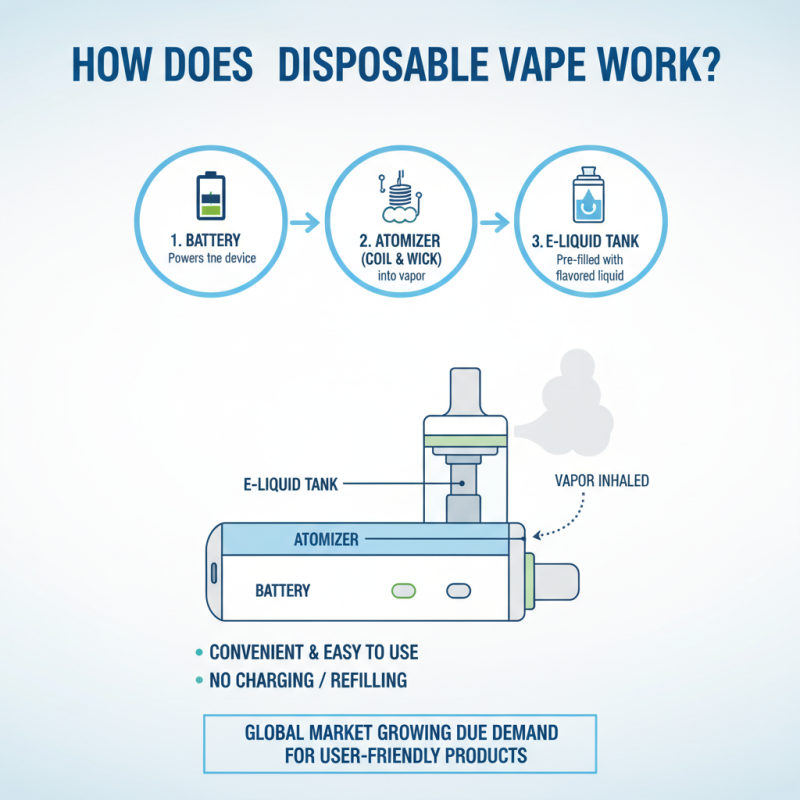
Disposable vapes have gained popularity due to their convenience and ease of use. These devices typically consist of a battery, an atomizer, and a pre-filled e-liquid tank. Once activated, they heat the e-liquid and produce vapor, which the user inhales. Research indicates that the global disposable vape market is expected to grow significantly, driven by the demand for user-friendly products.
The operation of a disposable vape is quite straightforward. When the user inhales, a sensor activates the heating element. This transforms the e-liquid into vapor quickly. Most disposable vapes come with a variety of flavors, attracting a broad user base. According to a report by Market Research Future, the disposable vape segment is likely to see a CAGR of around 25% between 2021 and 2027. However, some users may overlook the environmental impact of disposable devices.
Many disposable vapes feature a battery that lasts until the e-liquid is finished. Users might find the battery's lifespan inefficient if they do not understand the usage limits. The ease of purchasing these devices can lead to unintended overuse. Monitoring consumption is crucial, yet many users fail to do so. The industry continues to evolve, and with it, a more sustainable approach is essential for the future.
Benefits of Using a Disposable Vape
Disposable vapes have gained popularity for several reasons. They offer convenience, especially for beginners. These devices come pre-filled and ready to use. There is no need to worry about refills or complex setups. Users can simply open the package and enjoy.
One major benefit is their portability. Most disposable vapes are small and lightweight. They easily fit in a pocket or bag. This makes them perfect for on-the-go lifestyles. You can enjoy vaping without any hassle. The variety of flavors available also appeals to many. Users can explore different tastes without committing to one.
However, it’s important to consider sustainability. Disposable vapes create waste and may not be the best choice for the environment. There are more eco-friendly options out there. Reflecting on personal habits can help make better choices. Balancing convenience with responsibility is crucial in today’s vaping culture.
Safety Considerations for Disposable Vapes
Disposable vapes have gained popularity for their convenience and ease of use. However, safety considerations must be at the forefront of their appeal. According to the National Institute on Drug Abuse (NIDA), nearly 20% of high school students reported using e-cigarettes in 2022. As young adults increasingly turn to disposable vapes, awareness of potential health risks is crucial.
Many disposable vapes contain nicotine, which can lead to addiction and other health issues. A study by the American Heart Association highlighted that vaping may increase the risk of cardiovascular diseases. The long-term effects of inhaling vaporized substances remain largely unknown. Research from the Journal of the American Medical Association warns that some e-liquids may contain harmful substances, including formaldehyde and diacetyl.
Moreover, the safety of these devices also extends to their physical design. Reports indicate that faulty batteries can cause explosions or overheating. Users need to be cautious when disposing of these products, as improper disposal can lead to environmental concerns. Choosing reliable manufacturers and adhering to safety guidelines is vital. Awareness of these issues is necessary for consumers to make informed choices about disposable vapes.
What is a Disposable Vape and How Does it Work? - Safety Considerations for Disposable Vapes
| Feature |
Description |
| Definition |
A disposable vape is a pre-filled device that contains nicotine, flavorings, and other chemicals, designed for single-use. |
| Components |
Typically includes a battery, an atomizer, e-liquid, and a mouthpiece. |
| How It Works |
When the user inhales, the battery activates the atomizer, which heats the e-liquid to create vapor. |
| Safety Considerations |
Users should be aware of potential health risks, proper disposal methods, and the importance of age restrictions. |
| Nicotine Levels |
Available in various nicotine concentrations, allowing users to choose their preference. |
| Environmental Impact |
Disposable vapes contribute to electronic waste; proper recycling and disposal methods are recommended. |