How to Source Compliant Cigarette Vape Products in 2026?

Sourcing compliant Cigarette Vape products in 2026 requires more than comparing prices or reviewing attractive packaging. Buyers must verify product legality, supplier credibility, manufacturing controls, and market-specific requirements before placing an order. Regulations can differ by country, state, and product category. A device accepted in one market may require different documentation elsewhere.

Experienced procurement teams begin with a clear compliance file. It should include ingredient disclosures, laboratory reports, batch records, safety assessments, labeling artwork, and traceability information. Independent testing can help confirm nicotine content, emissions, battery safety, and material quality. Supplier audits also matter. A polished website is not proof of reliable operations.

Details reveal the real picture.

Responsible sourcing excludes products with unsupported health claims, misleading youth-oriented designs, or unclear nicotine information. It also requires strict age-gating, secure distribution, and responsible marketing practices. Buyers should consult current guidance from competent regulatory authorities and qualified legal professionals. Standards may change during the purchasing cycle, creating unexpected delays. No checklist is perfect. Even experienced teams can overlook a revised labeling rule or an incomplete certificate. A second review can prevent costly mistakes. This guide explains how to build a practical supplier-screening process, assess evidence, and maintain compliance from initial contact through delivery. It focuses on documented quality, transparent communication, and decisions that protect adult consumers without compromising legal or ethical responsibilities.
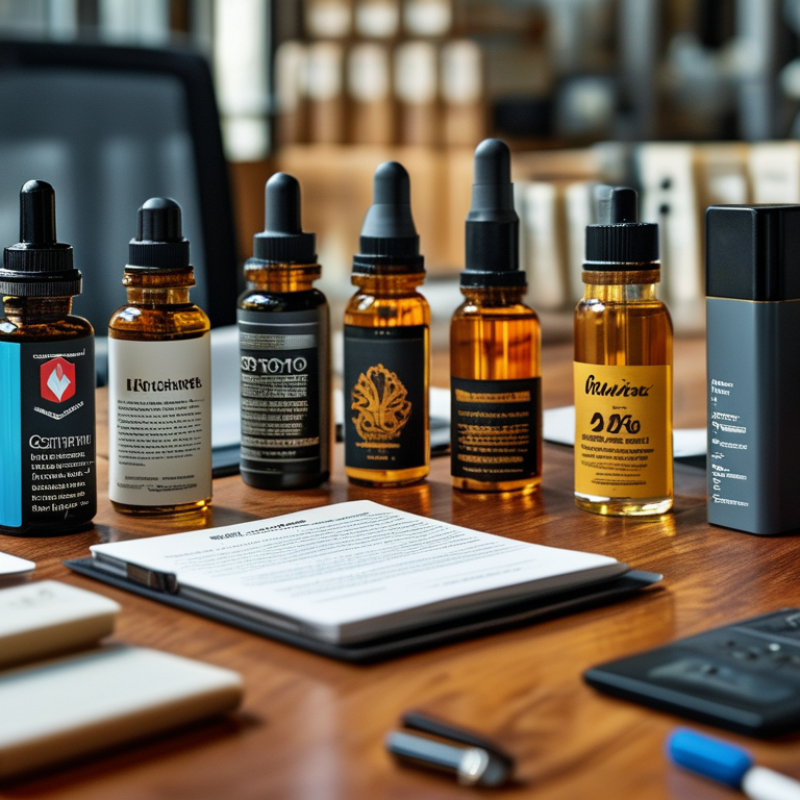
How to Source Compliant Cigarette Vape Products in 2026?

Define Compliance Requirements for Cigarette Vape Products in 2026

Define compliance before discussing price, flavor, or production capacity. For cigarette vape products, create a written checklist covering authorization, ingredients, emissions, packaging, labeling, traceability, and age controls. Requirements differ sharply by market. In the United States, suppliers should provide evidence supporting the applicable premarket authorization pathway. In the European Union, verify Tobacco Products Directive requirements, notification records, nicotine limits, refill-volume limits, and child-resistant packaging.

Use independent laboratory records, not marketing claims. Test reports should identify batch numbers, methods, detection limits, and laboratory accreditation. Check nicotine concentration against the declared level, then review carbonyls, metals, microbial contamination, and electrical safety. Packaging needs tamper evidence, warnings, ingredient information, and clear disposal instructions. Small details matter.

Public-health data also changes sourcing priorities. The CDC’s 2024 National Youth Tobacco Survey reported about 1.63 million U.S. students currently using e-cigarettes, with many reporting frequent use. The WHO Global Report on Tobacco Use continues to show more than one billion tobacco users worldwide. These figures explain tighter scrutiny of youth appeal, advertising, and access controls. A supplier should demonstrate documented age-verification procedures and controlled distribution. Ask for recall records too. A clean audit is helpful, but never perfect. Recheck certificates, local rules, and product specifications before every purchase.

Identify Authorized Manufacturers and Supply Chain Partners

How to Source Compliant Cigarette Vape Products in 2026?

Authorized manufacturers should be verified before any price discussion. Request current manufacturing licenses, facility registrations, and product approvals for each target market. Check whether certificates match the legal company name and production address. A polished PDF is not enough. Confirm documents through official regulatory databases or direct authority records.

Review the factory’s quality system in practical detail. Ask for batch records, ingredient specifications, laboratory reports, and complaint-handling procedures. Testing should cover emissions, electrical safety, packaging, and restricted substances. Each unit should carry a traceable batch code. Visit the facility when possible. Look at clean storage areas, calibrated equipment, and sealed sample retention. Small details matter.

Supply chain partners require the same discipline. Choose distributors, warehouses, and freight providers with documented authorization and age-controlled procedures. Confirm temperature controls, inventory records, insurance, and recall readiness. Contracts should define responsibilities for damaged goods, regulatory changes, and rejected shipments. I would also request a live traceability exercise. Can the partner locate one batch within hours?

No checklist is perfect.

A spreadsheet may show compliance while hiding weak supplier controls. Independent audits reduce that risk, but they do not replace judgment. Recheck licenses before every major order, especially after ownership or facility changes. Keep signed records, test samples, and communication logs together. That evidence supports reliable decisions when a shipment, inspection, or customer complaint creates pressure.

Verify Product Testing, Ingredients, Packaging, and Labeling

Sourcing compliant cigarette-style vape products in 2026 requires evidence, not polished sales claims.

Start with independent laboratory testing for every production batch. The report should identify the product, lot number, test methods, and sampling date. Check results for nicotine accuracy, harmful contaminants, heavy metals, and unwanted solvents. A certificate without traceable laboratory details is weak evidence.

Review the ingredient list against the rules in each target market.

It should be complete, readable, and consistent with the tested formula. Ask suppliers to explain every additive, flavoring, and carrier substance. Do not accept vague terms such as “premium blend.” Small formula changes can make old test results unreliable. This is often missed.

Packaging needs practical inspection.

Check tamper evidence, child-resistant features where required, durable seals, and protection from heat or leakage. Labels should state the product identity, net contents, nicotine information, ingredients, batch code, responsible business details, and required health warnings. Avoid medical, therapeutic, or reduced-risk claims unless regulators expressly permit them. Verify translations separately; a correct English label can still contain a serious local-language error. Keep signed approvals, test reports, artwork files, and shipment records together. No checklist is perfect. Independent legal review remains necessary when requirements change.

Review Import, Distribution, and Retail Documentation

How to Source Compliant Cigarette Vape Products in 2026?

Sourcing compliant vape products begins with a document trail, not a supplier promise. Importers should request product specifications, ingredient disclosures, safety data, and recent laboratory reports. Each file should identify the product version, batch number, testing date, and responsible legal entity. Check whether the testing laboratory is properly recognized in the relevant market. A polished PDF is not proof of compliance.

Import documentation may include commercial invoices, packing lists, certificates of origin, customs declarations, and required market authorizations. Requirements vary by country and can change during 2026. Confirm details with the competent authority or a qualified customs professional before shipment. Keep records that connect every carton to its supplier and production batch. Small gaps matter.

Distribution records should show delivery dates, quantities, storage conditions, and recipient eligibility. Retail files may need age-verification procedures, staff training records, tax documentation, and approved product listings. Inspect packaging in person: warnings should be legible, seals intact, and labels consistent with the approved file. I have found that spreadsheets often contain errors. Reconcile them against invoices and warehouse counts. Do not rely on memory. When a document conflicts with the physical product, pause the transaction and investigate the discrepancy.

How to Source Compliant Cigarette Vape Products in 2026?

Import, Distribution, and Retail Documentation Checklist

This practical checklist groups the main evidence items commonly reviewed at each stage of the supply chain. Import documentation typically includes customs and transport records, distribution controls require traceability and recall procedures, and retail operations require age-verification and sales records. Legal requirements vary by jurisdiction; confirm product authorization, notification, packaging, labeling, nicotine limits, and record-retention rules with the relevant authority before purchasing or selling.

Monitor Regulatory Changes and Maintain Compliance Records

Sourcing compliant cigarette vape products in 2026 requires more than checking a supplier’s certificate. Requirements can change by country, state, or city. Monitor official regulator notices, licensing updates, product restrictions, labeling rules, and testing requirements. Assign one person to review these sources weekly. Record the publication date, effective date, and affected products. A missed transition period can delay shipments or create costly rework.

Maintain a compliance file for every product and supplier. Include ingredient declarations, laboratory reports, product specifications, packaging artwork, batch numbers, age-verification procedures, and supplier attestations. Keep signed documents in a controlled folder with access logs. Add a change history. If a formula, component, or label changes, pause approval until the file is reviewed again. Paperwork is not proof by itself.

Tips: Use a simple compliance register. Add the jurisdiction, rule source, review date, owner, and next action. Set calendar alerts before permits or certificates expire. Compare each shipment with its approved specification, including device model, liquid volume, warnings, and batch code. Keep samples and delivery records where permitted. Supplier documents may be incomplete. That is common, but it should never be ignored. Escalate unclear claims to qualified regulatory counsel or an accredited testing professional. Good sourcing depends on evidence, not confident promises.