Why Do THC Vape Rules Vary for Global Buyers?
Why do thc vape rules vary for global buyers? Because the same product can be classified differently across jurisdictions. One authority may focus on its cannabinoid content, while another examines device standards, ingredients, age limits, packaging, or retail licensing. Some regions also distinguish between medical and non-medical products. The details matter. A label, cartridge, or stated potency can change how regulators assess a product, and rules may change over time.
Professional reports help explain the public-health context, but they are not substitutes for local rules. The World Health Organization’s 2023 report, Electronic cigarettes: call to action, discusses regulation and health concerns around electronic nicotine products; it does not establish rules for THC products. The EU Drugs Agency’s European Drug Report 2024 tracks changing cannabis markets and policy developments in Europe, but it is not a global legal guide. These distinctions are easy to miss. The picture is not tidy.
For buyers, responsible research means checking current information from the relevant national regulator and, where applicable, qualified legal or health professionals. Confirm product definitions, permitted claims, testing and labeling requirements, and whether purchase or possession is allowed in the specific location. Do not assume that rules in one country apply elsewhere. A retailer’s statement is not an official ruling. Even careful readers can overlook a small change in classification. This introduction offers context, not legal advice or an endorsement of any product.
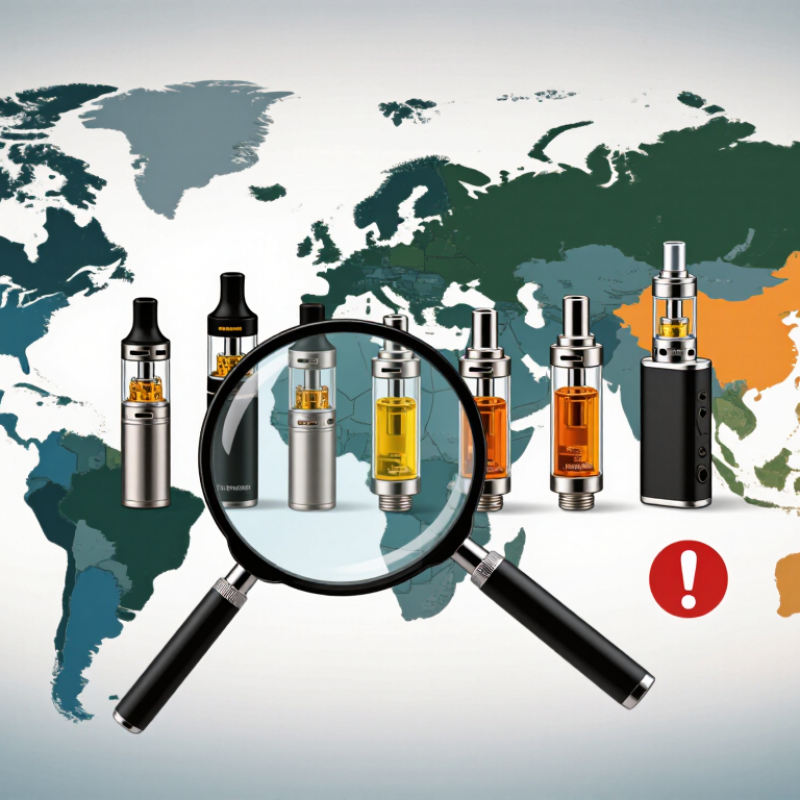
What THC Vape Products and Global Buyers Are Covered
“THC vape products” can describe several distinct items: a refillable device, a prefilled cartridge, a disposable unit, or the regulated liquid inside. Rules may treat each item differently. A device can raise battery and packaging requirements, while its contents may face separate limits on testing, labeling, and sale. Details matter. This article covers only products permitted under the rules where a buyer lives or operates. It does not assume that a product allowed in one place is allowed elsewhere.
“Global buyers” is a broad term. It may include adults purchasing for personal use where permitted, patients following local medical requirements, and businesses handling products under applicable licenses. Their obligations can differ by age, location, intended use, and professional role. A traveler’s situation may also differ from a retailer’s; permission to purchase locally does not automatically authorize carrying a product across a border. Not everywhere. Buyers should check current official guidance before making decisions, especially when product labels, ingredients, or device specifications are unclear. Requirements change, and online summaries can lag behind. I would not treat a familiar package as proof of compliance.
How Countries Define the Legal Status of THC Vapes
Why Do THC Vape Rules Vary for Global Buyers?
Countries define THC vape products differently. Some rules focus on the active ingredient, while others consider the device, liquid, concentration, or intended medical use. A cartridge and a refill bottle may therefore fall under different product categories. The details are not always tidy. Even neighboring countries can apply different definitions and licensing requirements.
A product’s status may also depend on how local law distinguishes medical use from general consumer products. Rules can change, and online summaries may be outdated or incomplete. A label that seems clear in one place may not answer how another country classifies the contents or device. This is why legal status should be checked for the specific destination, not assumed from the place of purchase. This is general information, not legal advice.
Tips: Check current government guidance for both the product category and its ingredients. If traveling, review official customs and health-agency information before departure. Keep dated references. When wording is unclear, ask the relevant authority rather than relying on seller descriptions.
Which Import, Shipping, and Customs Rules Apply
THC vape import rules depend on the destination, product classification, and the buyer’s authorization. A product permitted in one region may not be accepted elsewhere. Check the destination country’s current rules with its customs authority and relevant health regulator before placing an order. Do not rely on a seller’s shipping claims alone.
Import permits, medical documentation, or age checks may apply where local law allows these products. Customs may also review ingredient details, product labels, and declared value. Any declaration should be accurate. Mislabeling a parcel can cause delays, seizure, or penalties. Small details matter.
Shipping adds another layer. Carriers set their own acceptance policies, which may be stricter than local law. Confirm that the carrier accepts the specific product and route, and that required documents are ready before dispatch. Keep copies of official guidance and written approvals. Rules can change, and online information may lag behind. The paperwork can feel repetitive, but guessing is riskier. Check again before each shipment.
How Product Standards, Labels, and Age Limits Differ
THC vape requirements can differ across markets, even when the products look similar. Labels may need to show cannabinoid content, ingredients, batch details, health warnings, or storage instructions. Some systems require independent laboratory testing; others set different documentation or packaging rules. Tiny details matter. A label that lists total content may not explain the amount in each draw or serving.
Age limits also vary. Rules may define who can buy a product, how age is checked online, and whether access is restricted to specific retail channels. The UN Office on Drugs and Crime’s World Drug Report 2024 estimated that
For global buyers, compare the exact label fields and testing documents required by the destination market before assessing a product. Check official local guidance, especially for age verification, ingredient disclosure, warning placement, and batch traceability. A polished package is not proof of compliance. Even careful systems can leave edge cases unclear, and requirements can change. A checklist helps, but it cannot replace current regulatory review.
What Buyers Should Check Before Making a Purchase
Before buying a THC vape, confirm that the product and sale are permitted where you are. Rules can differ by country and region, even for labeling, age checks, and product testing. WHO’s 2023 report on e-cigarettes found that 34 countries banned their sale, while 74 had no specific regulations. Those figures concern e-cigarettes generally, not THC products, but they show why buyers should check current local guidance rather than rely on online listings. Small details matter.
If sales are permitted, check that the seller is authorized and the package identifies its ingredients, batch number, and manufacturer. Look for an independent, batch-matched lab certificate showing cannabinoid content and screening for contaminants. The certificate should name the tested sample, not just display a generic QR code. Check device instructions and battery safety information, too. Keep the label and receipt. A neat package is not proof of quality. I would also pause if test results are missing or difficult to verify; that can be inconvenient, but guessing is worse.
Why THC Vape Rules Vary for Global Buyers
Minimum legal age for adult-use cannabis access in selected jurisdictions
These ages describe cannabis access, not approval of every THC vape product. Before buying, check local product rules, retailer licensing, testing and labeling requirements, and restrictions on bringing cannabis across borders. Uruguay’s adult-use system is limited to eligible registered residents.
Selected examples: Alberta, Canada (18); Quebec, Canada (21); Netherlands (18); Uruguay (18 for eligible registered residents). Rules can change, and local restrictions may apply.