Top China Motorcycle Ebike Manufacturers for Global Buyers?
For global buyers, choosing a Chinese Motorcycle Ebike manufacturer requires more than comparing catalog prices. The right supplier should combine engineering capability, stable production, transparent communication, and dependable after-sales support. This guide examines manufacturers serving export markets and explains what buyers should verify before ordering. Factory experience matters, but it is not enough. A polished showroom can hide weak quality control. Details matter. We will examine frame welding, motor performance, battery management, braking systems, waterproofing, and spare-parts availability. Product photos rarely reveal these details clearly. Samples should be tested on roads, slopes, and uneven surfaces, not only inside a warehouse.
Reliable sourcing also depends on evidence. Buyers should request factory audit records, product test reports, battery safety documentation, and clear warranty terms. Regional requirements differ, so importers must confirm vehicle, electrical, labeling, and recycling rules with qualified local advisers. A responsible manufacturer will discuss these requirements openly instead of promising universal compliance. That sounds simple. It is not always simple. Minimum order quantities, custom tooling, shipping damage, software settings, and replacement batteries can change the real purchase cost. We will compare supplier strengths, export experience, customization options, production capacity, and communication quality. We will also identify information requiring independent verification. No manufacturer should be trusted only because it is large or inexpensive. Careful buyers protect riders, dealers, and their reputation by testing claims before signing a contract.
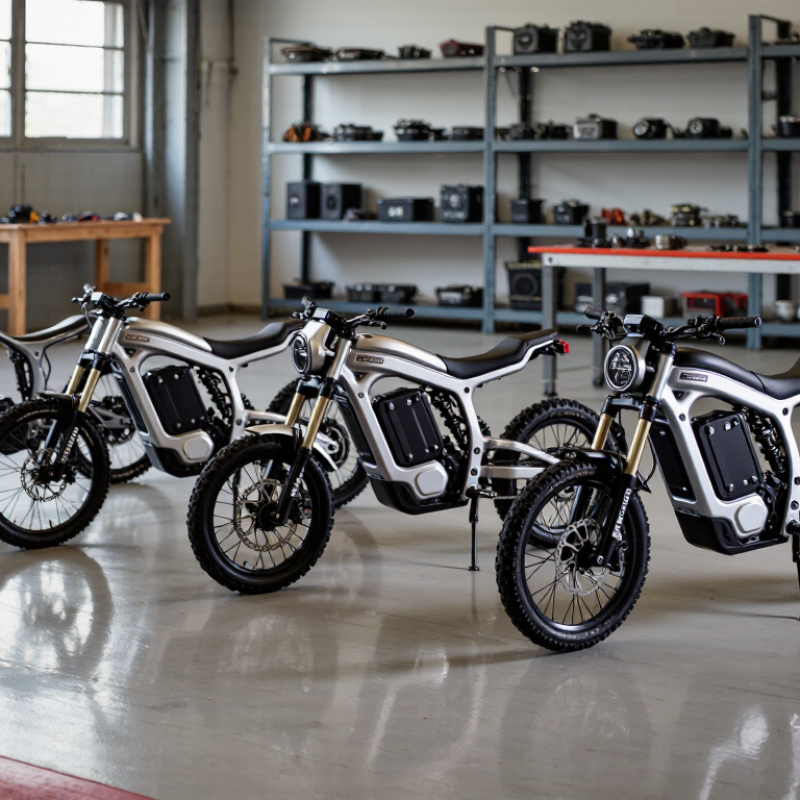
What Defines a Top Chinese Motorcycle E-Bike Manufacturer?
A top Chinese motorcycle e-bike manufacturer is defined by evidence, not factory size. The International Energy Agency’s Global EV Outlook 2024 reports that electric two- and three-wheelers remain the world’s most electrified road vehicles, with sales approaching 10 million units in 2023. This growth demands more than attractive pricing. Serious manufacturers document battery safety tests, motor efficiency, water resistance, and production traceability. They also understand target-market type approval, electromagnetic compatibility, and transport requirements such as UN 38.3.
Look for a supplier that shares test records, not only polished photographs. ISO 9001 helps, but it does not prove every vehicle is reliable. Ask for sample inspection reports, charger certifications, warranty procedures, and spare-parts plans. A useful factory should explain real-world range at different loads, temperatures, and road conditions. Claimed range can be optimistic. Sometimes, too optimistic. That deserves careful questioning.
Tips: Request a production sample before a large order. Check welds, wiring protection, brake response, display accuracy, and battery identification labels. Test climbing performance with realistic rider weight. Review independent inspection results and confirm whether software updates remain available after delivery. The IEA notes that battery costs and charging access strongly influence electric vehicle adoption, so examine replacement pricing and charging compatibility. A manufacturer that answers difficult questions clearly is often more dependable than one offering the lowest quotation. Industry experience suggests small details matter: connector sealing, packaging strength, and response time after a fault. None feels impressive during a showroom visit. Each can shape long-term ownership.
How to Evaluate Chinese Motorcycle E-Bike Manufacturers
Choosing a Chinese motorcycle e-bike manufacturer requires more than comparing catalog prices. A polished website proves little. Ask for factory videos, production records, and a live video inspection. Verify welding quality, frame materials, motor ratings, battery chemistry, and controller protection. Request test reports from recognized laboratories, not screenshots with unclear dates. Confirm that specifications meet destination-market requirements. Laws vary by country. I would also check whether the supplier explains failures honestly. Perfect answers can be suspicious.
Tips: Order a paid sample before discussing large volumes. Ride it on slopes, rough roads, and wet surfaces where permitted. Measure braking distance, charging time, range, and noise. Inspect connectors, welds, tires, lights, and packaging after transport. Check serial-number traceability and battery documentation. Keep a written checklist. Small details matter.
A dependable manufacturer provides spare-part lists, inspection photos, warranty terms, and clear response times. Confirm minimum order quantities, tooling ownership, payment milestones, and shipment responsibilities in writing. Ask how rejected units are isolated, repaired, or recycled. Their answer reveals process maturity. I once underestimated after-sales support; a small connector failure can stop an entire fleet. That mistake still matters. Leave room for independent inspection, because trust should be tested, not assumed.
Leading Manufacturer Categories for Global Buyers
For global buyers, manufacturer categories matter more than attractive product photos. Integrated OEM/ODM factories design frames, motors, battery systems, and dashboards under one production plan. They suit distributors needing custom colors, software settings, packaging, or regional specifications. Their advantage is coordination. Their risk is uneven attention across many product lines.
Specialist electric motorcycle manufacturers focus on stronger frames, larger motors, suspension, and long-distance durability. They often provide useful test records, including brake trials, water-resistance checks, and battery-cycle data. Urban commuter manufacturers prioritize lighter frames, removable batteries, simple controls, and comfortable daily riding. Cargo-focused producers build reinforced racks, wider tires, and stable low-speed handling. Each category requires different inspection points.
Contract assemblers can offer flexible volumes, but buyers must verify component traceability and final testing. Ask for sample units, production photographs, quality-control procedures, and clear warranty responsibilities. Check battery transport documents and market-specific conformity evidence with qualified professionals. In my experience, the cheapest quotation rarely shows the full landed cost. A sample may also perform better than a large shipment. That gap deserves attention. Reliable cooperation grows through factory audits, pilot orders, written specifications, and honest discussion of defects. No supplier is perfect. Good suppliers disclose weaknesses before buyers discover them.
Top China Motorcycle Ebike Manufacturers for Global Buyers
Leading Manufacturer Categories and Typical Rated Motor Output
This benchmark compares common Chinese electric two-wheeler manufacturer categories by typical rated motor output. Pedal-assist e-bikes generally use lower-power systems, while electric mopeds and motorcycles require higher output for speed, load capacity, and longer-distance transportation. Actual specifications vary by model, destination-market regulations, battery configuration, and homologation requirements.
Key Export, Compliance, and Quality Considerations
Global buyers should assess Chinese motorcycle-ebike manufacturers beyond factory photos and low prices.
The IEA’s Global EV Outlook 2024 identifies electric two- and three-wheelers as the most electrified road-transport segment by sales. That scale creates export opportunities. It does not guarantee consistent cells, controllers, or documentation.
Audit production records, battery traceability, and samples from the same assembly line.
Compliance begins with destination requirements.
For European shipments, Regulation (EU) 2023/1542 increases battery information, producer, and recycling obligations. UNECE Regulation No. 136 addresses electric powertrain safety for certain L-category vehicles. Local type-approval rules still apply.
Request accredited laboratory reports, not editable PDFs. Check EMC testing, braking performance, lighting, charger plugs, VIN structure, and translated manuals.
The European Commission’s Safety Gate system records thousands of product alerts annually, showing why paperwork deserves practical verification.
Quality claims require measurable acceptance criteria.
ISO 9001 certification helps, but it cannot replace incoming inspection or road testing. Intertek’s supplier-quality guidance emphasizes traceability, verification, and pre-shipment inspection.
Even that may be insufficient.
Test cold starts, hill loads, vibration, water exposure, and repeated charging cycles. Record defect rates and warranty response times contractually.
Spare-part continuity is often overlooked. A reliable motor becomes useless without compatible sensors six months later.
Export experience should be supported by customs records, not only a polished sales presentation.
How to Select the Right Chinese E-Bike Supplier
Selecting the right Chinese e-bike supplier requires more than comparing online prices. Start with factory experience, production capacity, and export history. Request business licenses, quality certificates, and recent testing reports. Check whether documents match the exact motor, battery, and charger specifications. A polished website proves very little.
Order samples before discussing large volumes. Test braking on wet pavement, battery range, frame alignment, and charger temperature. Inspect welds beneath the paint. Ask how workers record torque settings and battery checks. Visit the facility when possible, or arrange a live video inspection. Ask for production photos with visible dates. Small details matter.
A reliable supplier should explain warranty coverage, replacement parts, packaging, and delivery terms in writing. Confirm battery transport documents and market-specific safety requirements with an independent compliance professional. Do not accept vague promises about range. Real performance changes with rider weight, hills, temperature, and tire pressure. I once trusted a detailed spreadsheet and overlooked weak after-sales support. That mistake was expensive. Leave room for honest questions, even awkward ones. Good suppliers will answer them clearly.