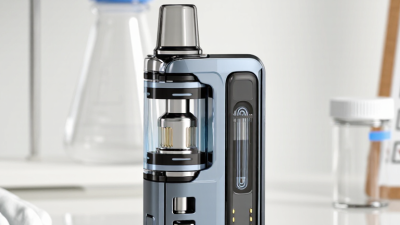
2026 Top Cigar Vape Pen Types for Global Buyers

For global buyers, the 2026 Cigar Vape Pen market is best assessed through clear product specifications, verifiable quality controls, and region-specific compliance. Grand View Research estimated the broader global e-cigarette and vape market at USD 28.17 billion in 2023, with projected growth through 2030. That figure covers a wide product category; it does not establish the size of a distinct cigar-style vape pen segment. This distinction matters. Buyers should treat broad market forecasts as context, not proof of demand for any single device type.

Look closely at the details. Check battery capacity, charging method, materials, labeling, and supplier traceability. Request independent test documentation where available, and confirm that packaging and product claims meet the requirements of each destination market. Local rules differ. Do not assume that a product permitted in one region can be sold elsewhere. Public-health context also deserves attention: tobacco-control expert Dr. Judith Mackay has said, “Tobacco is the only consumer product that kills half of its users when used exactly as intended.” Her warning concerns tobacco, not every vape device, but it underscores why responsible sourcing and precise product descriptions matter. This guide compares common Cigar Vape Pen types by design and buyer-relevant specifications, while noting where public data remains limited. Some categories are not consistently defined. That gap should prompt careful verification, not confident guesswork.
2026 Top Cigar Vape Pen Types for Global Buyers

What Cigar Vape Pens Are and How They Differ from Traditional Cigars

A cigar vape pen is an electronic device shaped like a cigar. It does not burn tobacco leaf. A battery heats a formulated liquid or material, producing an inhalable aerosol. There is no glowing tip, falling ash, or cigar wrapper to handle. Some models are single-use; others have rechargeable batteries or replaceable parts. Product details vary. The cigar-like shape alone reveals little about ingredients, aerosol output, or upkeep.

Traditional cigars burn tobacco and produce smoke through combustion; vape pens produce aerosol instead. Neither should be treated as risk-free. WHO’s 2024 global estimate puts e-cigarette use above 100 million people worldwide, including about 86 million adults and 15 million adolescents aged 13–15. These figures describe e-cigarettes broadly, not cigar-shaped devices specifically. The U.S. National Academies’ 2018 report, Public Health Consequences of E-Cigarettes, found that aerosol generally contains fewer toxicants than cigarette smoke, while noting that exposure varies by device and use. That is not a safety guarantee. For global buyers, check ingredient disclosures, battery specifications, and care instructions; labels may still leave important details unclear.

Core Components and How Cigar Vape Pens Work

A cigar-style vape pen usually contains a rechargeable battery, a control circuit, a heating element, an airflow channel, and a mouthpiece. Some models also have a small liquid reservoir or a replaceable cartridge. The cigar-like shape is mostly an exterior design choice; internal layouts differ between devices. Not every pen uses the same parts.

When activated, a button or airflow sensor signals the circuit to supply power to the heater. The heater warms the compatible material, creating an aerosol that travels through the airflow channel and mouthpiece. The battery determines how long the device can operate between charges, while the circuit may regulate power or prevent overheating. Small details matter. A blocked air inlet, worn seal, or poorly seated cartridge can affect performance. That is easy to overlook.

For buyers comparing models, check the charging method, cartridge compatibility, capacity, and whether the heating unit can be replaced. Specifications are useful, but they do not always show how a device feels in daily use. Some compact designs sacrifice battery size for a slimmer profile. Follow the manufacturer’s instructions, and stop using a device with unusual heat, leakage, or visible damage. No design is maintenance-free.

Main Cigar Vape Pen Types Available to Global Buyers in 2026

Cigar-style vape pens available to global buyers in 2026 generally fall into three formats: disposable, closed-pod, and refillable. Disposable models arrive pre-filled and require no separate liquid, making setup simple. Check the package for battery details, liquid volume, and clear ingredient labeling. Simple, but not always economical.

Closed-pod pens use replaceable, sealed pods with a rechargeable device. They can reduce spills during travel and keep routine maintenance light. Buyers should check pod availability, charging connections, and whether replacement parts can be sourced locally. A sleek cigar shape may feel comfortable in hand, yet a thick body can be less convenient in a small pocket.

Refillable models use a tank or reservoir that users fill with compatible, clearly labeled products where permitted. They offer more flexibility, but need regular cleaning and careful filling. Look for leak-resistant seals, readable instructions, and dependable battery protection. Small details matter. Before ordering internationally, confirm that the device and its intended contents meet destination requirements, and avoid products with vague specifications. A lower price can look attractive; unclear materials or missing support are reasons to pause.

Key Features, Power Sources, and E-Liquid Formats Compared

2026 Top Cigar Vape Pen Types for Global Buyers

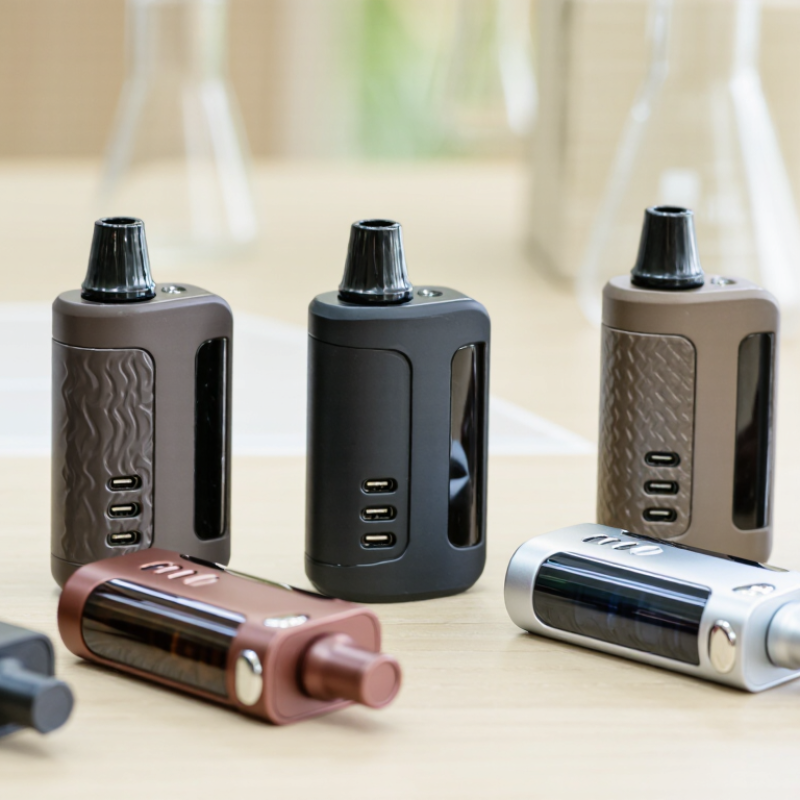
Cigar-style vape pens vary in shape, controls, and cartridge design. Sealed-cartridge models keep filling simple, while refillable designs offer more liquid choices. Some have one-button operation; others add adjustable power or airflow. Check dimensions, mouthpiece fit, and replaceable-part availability before comparing specifications. Small details matter.

Power sources are usually built-in rechargeable batteries or replaceable cells. Compare rated capacity, charging connection, and stated output; capacity alone does not guarantee longer use. E-liquid options may include prefilled cartridges or refillable bottles, with different formulations and strengths. A 2023 CDC/FDA National Youth Tobacco Survey reported that 2.13 million U.S. middle and high school students currently used e-cigarettes. This is U.S. youth data, not a global buyer estimate, but it underscores why age controls and responsible distribution matter.

Tips: Request battery and liquid specifications, independent quality documentation, and clear ingredient labeling. Confirm the product meets the rules in its destination market. Treat vague specifications as a reason to pause.

How to Assess Product Standards, Market Rules, and Buyer Needs

Global buyers should assess a cigar-style vape pen against the rules of each destination market, rather than rely on one global checklist. Requirements may differ for product classification, ingredients, labeling, electrical safety, and import documents. Ask suppliers for current test reports, material declarations, batch traceability, and clear battery charging and storage instructions. Check each report’s scope and model number; testing for one version may not cover a revised device. Details matter.

Inspect samples during ordinary handling. Check mouthpiece fit, seams, airflow consistency, visible residue, and packaging legibility. Request evidence of battery protection and transport performance, then compare it with the applicable market standard. Confirm that age restrictions, warnings, language rules, and sales-channel limits are reflected in the market plan. Requirements change. Verify them with qualified local advisers or the relevant regulator before ordering. Retailers may prioritize compact cartons and steady replenishment, while distributors need reliable specifications, spare-part policies, and prompt defect reporting. A polished sample is not proof of consistent production; request batch records and a written process for handling complaints.

2026 Top Cigar Vape Pen Types for Global Buyers - How to Assess Product Standards, Market Rules, and Buyer Needs

Planning snapshot for product evaluation. “Cigar vape pen” is a market description, not a single internationally standardized product category. Requirements depend on the device, e-liquid, nicotine content, and destination market; confirm current rules with local regulators before purchase or sale.

Product type Typical format and use Buyer priorities Product-standard checks Market-rule checkpoints Practical assessment
Disposable cigar-shaped e-cigarette Integrated battery and liquid reservoir; discarded when depleted. Cigar-like appearance does not make it a tobacco cigar. Simple operation, clear nicotine disclosure, reliable packaging, and compliant end-of-life disposal information. Check leakage, activation behavior, battery protection, batch traceability, ingredient disclosure, and safe handling of lithium batteries and e-waste. Disposable-device restrictions, flavor rules, nicotine limits, notification or authorization requirements, and waste rules differ by destination. Assess first whether this format is permitted in the intended market; do not assume a product sold elsewhere can be imported or retailed locally.
Rechargeable prefilled-pod device Reusable battery with replaceable, prefilled pods; often selected for straightforward operation and less frequent disposal than a disposable. Pod availability, leak resistance, charging compatibility, clear pod-to-device compatibility, and dependable replacement supply. Review battery and charger documentation, electrical protection, pod sealing, liquid labeling, and consistency between declared and measured nicotine content. For EU markets, the Tobacco Products Directive sets requirements for nicotine-containing e-cigarettes, including a maximum nicotine concentration of 20 mg/mL and tank or cartridge capacity limits; national rules also apply. A suitable option where recurring pod supply matters, provided each pod variant and its labeling meet local requirements.
Refillable pen-style device Rechargeable device with a refillable tank or cartridge; users add compatible e-liquid. Replacement parts, refill convenience, documented tank capacity, clear instructions, and access to compliant e-liquids. Check tank sealing, refill-port design, electrical and battery safety, material documentation, and compatibility claims. IEC 62133-2 may be relevant to portable lithium cells; confirm applicable local conformity requirements. EU rules also limit nicotine refill containers to 10 mL and e-cigarette tanks or cartridges to 2 mL for covered products. In the United States, e-cigarettes are FDA-regulated tobacco products; required marketing authorization and other federal, state, and local rules must be checked. Compare the full system—device, tank, and each intended liquid—rather than evaluating the hardware alone.
Nicotine-free e-cigarette device Disposable, pod-based, or refillable device supplied with liquid declared to contain no nicotine. Accurate “nicotine-free” claims, ingredient transparency, tamper-resistant packaging where required, and reliable quality controls. Request batch-specific test results for nicotine and relevant contaminants; check that labels and online listings do not make unsupported health or cessation claims. Nicotine-free products may still be subject to e-cigarette, consumer-product, age-sale, advertising, chemical, or import rules. Classification differs by jurisdiction. Treat the stated nicotine level as a claim to verify, not as proof that the product is exempt from regulation.
Nicotine-containing e-cigarette, any pen format May use disposable, pod, or refillable hardware; the nicotine-containing liquid often drives additional regulatory obligations. Verified nicotine strength, compliant warnings, age-restricted distribution, and complete market-access documentation. Review ingredient and emissions testing, nicotine-strength verification, packaging controls, manufacturing records, and product-change management. Canada’s federal rules cap nicotine concentration in vaping products at 20 mg/mL; provincial and territorial requirements can add restrictions. In the U.S., the federal minimum age for tobacco-product sales is 21, alongside FDA requirements and additional state or local rules. Confirm authorization, notification, labeling, tax, sales-channel, and shipping requirements for every destination before placing an order.
All formats: importer and retailer due diligence Applies to hardware, e-liquid, packaging, accessories, and product listings. Auditable documents, stable supply, clear warranty terms, accurate customs descriptions, and a route to report safety issues. Request a bill of materials, battery and charger test documents, liquid specifications, batch records, safety data where applicable, labeling artwork, and traceability procedures. Check product classification, premarket authorization or notification, packaging and warning rules, advertising restrictions, taxes, import controls, and local disposal obligations. Use market-specific legal and technical review. A certificate or test report from one country does not automatically establish compliance in another.

Regulatory references are a high-level guide, not legal advice. Rules change, and national or subnational requirements may be stricter than the examples shown.