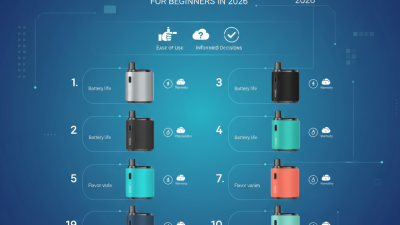
Top 10 Disposable Vape Carts for Global Buyers?

Choosing the right Disposable Vape Carts for international markets requires more than attractive packaging or high puff claims. This guide introduces ten products selected for documented quality, transparent specifications, and responsible market access. Each option should be assessed only where vaping products are legally permitted. Age restrictions matter. So do local regulations.

The comparison considers battery performance, leak resistance, ingredient disclosure, manufacturing consistency, and independent laboratory testing. Practical details also matter, such as sealed packaging, readable batch numbers, and clear usage instructions. A reliable supplier should provide certificates, safety data, and traceable production records. Marketing language alone is not enough. Buyers should verify every important claim.

A perfect global ranking is impossible. Regulations, testing standards, and consumer expectations differ across regions. Some products may perform well in one climate but struggle during long shipping or high humidity. I may also favor brands with stronger documentation, even when their designs look less exciting. That choice reflects reliability over appearance. Readers should confirm current rules with official authorities before purchasing or importing. Products containing nicotine require additional care, including appropriate warnings and age controls. This overview is educational, not a recommendation for underage use or unrestricted international shipping. The best choice is the product that combines verified quality, lawful distribution, and clear responsibility from manufacturer to buyer.
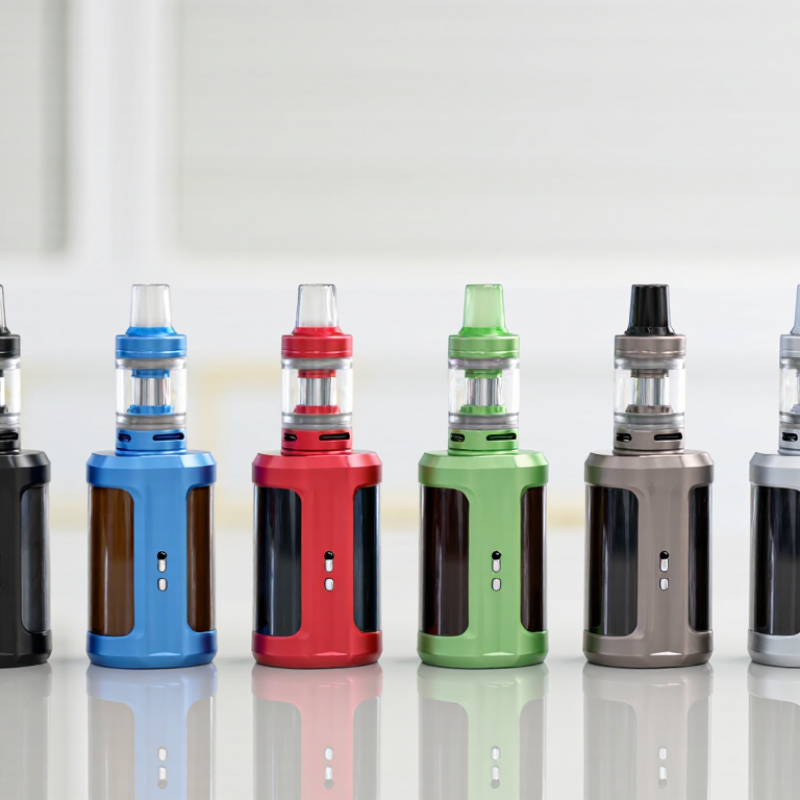
Top 10 Disposable Vape Carts for Global Buyers?

What Disposable Vape Carts Are and How They Work

Disposable vape carts are compact inhalation devices designed for limited use. Many combine a small battery, a liquid chamber, and a heating coil. The chamber holds a regulated e-liquid, usually containing nicotine, flavoring, and carrier liquids. Local rules may restrict these ingredients or prohibit certain products entirely.

When activated, the battery sends power to the coil. The coil warms the liquid and creates an aerosol for inhalation. It does not create harmless water vapor. The aerosol can contain nicotine, fine particles, and other substances.

A clean mouthpiece, intact casing, and sealed chamber are practical signs of basic product care. However, appearance alone cannot confirm quality.

A reliable product should show clear ingredient information, batch details, safety instructions, and legally required age warnings. Independent testing is more meaningful than bright packaging or dramatic claims. Buyers should check import rules, nicotine limits, recycling options, and approved sales channels before purchase. Laws differ sharply between countries and sometimes between regions. That part is easy to overlook.

The “disposable” label can also be misleading. Some devices contain rechargeable batteries but still have non-replaceable liquid chambers. Others may leak, stop heating early, or produce a burnt taste when the coil dries. These problems need attention, not improvisation.

Never modify a device or use damaged hardware. Proper disposal matters because batteries and electronic parts require separate handling.

Key Features to Compare Across Disposable Vape Carts

Top 10 Disposable Vape Carts for Global Buyers?

Key Features to Compare Across Disposable Vape Carts

Global buyers should compare safety evidence before flavor variety or visual design. The World Health Organization reports that more than 100 million people use electronic nicotine products worldwide. That scale increases the need for reliable testing and clear documentation. Look for batch numbers, ingredient disclosures, child-resistant packaging, and independent laboratory reports. A polished package proves little.

Battery performance also matters. A weak cell may create uneven vapor, while excessive heat can affect taste and device safety. Compare laboratory-tested battery capacity, activation response, leak resistance, and storage stability. The U.S. National Institute of Standards and Technology highlights the importance of dependable lithium-battery testing in consumer products. Practical details count: a dry mouthpiece, firm airflow, and consistent output during repeated use.

Materials deserve close attention. Ask whether the heating element, reservoir, and mouthpiece have documented food-contact or relevant product-safety testing. Heavy-metal screening is especially important, since a 2023 study published in the Journal of Analytical Toxicology found measurable metal emissions in some electronic vaping products. Results can vary between batches. That is easy to overlook. Buyers should also verify age controls, recycling guidance, labeling rules, and import requirements in each destination. I would not rank a cart highly without traceable records, even if its specifications look impressive. Supplier claims are useful, but independent evidence is stronger.

Battery Life, E-Liquid Capacity, and Vapor Performance

Top 10 Disposable Vape Carts for Global Buyers?

Battery life, e-liquid capacity, and vapor performance should guide any careful comparison. A longer-lasting battery suits travel, but advertised puff counts are estimates, not guarantees. Cold weather, frequent draws, and higher power can reduce performance quickly. Check the battery rating, charging design, and safety information before purchasing. Only consider products permitted for sale in your location and intended for legal-age users.

E-liquid capacity affects convenience, yet more liquid does not always mean better value. A compact device may offer fewer draws but fit comfortably in a pocket. Larger capacity can feel practical, although it may encourage heavier use. Inspect the ingredient list, nicotine disclosure, batch details, and expiry information. Avoid damaged packaging, leaking units, or unclear sellers. Reliable documentation matters more than attractive packaging.

Vapor performance depends on airflow, coil consistency, and liquid formulation. A smooth draw should produce even vapor without burning, harshness, or unusual taste. Too much vapor is not automatically better. Testing several devices shows noticeable variation, even within similar specifications. That is an imperfect part of ranking the top ten. Personal preference, local climate, and draw style can change the result. Store devices away from heat, children, and pets, and stop using any unit that becomes unusually hot or leaks.

Safety Standards, Ingredients, and Product Authenticity

Top 10 Disposable Vape Carts for Global Buyers?

Safety Standards, Ingredients, and Product Authenticity

A responsible top-ten comparison should examine safety evidence, not just flavor or battery life. Choose products sold legally in your country. Check the required regulatory marking, importer details, and age restrictions. Standards vary widely across markets. A familiar symbol does not always prove quality. Look for tamper-evident packaging, a clear batch number, and a reachable manufacturer address. Missing details deserve caution.

Read the ingredient panel carefully. Common contents include nicotine, propylene glycol, vegetable glycerin, and approved flavorings. Avoid products with vague terms such as “premium blend” or “secret formula.” The liquid should not show floating particles, unusual separation, or an unexpectedly harsh smell. Never use a leaking, cracked, swollen, or overheated device. Small defects can create larger risks.

Authenticity checks need more than a QR code. Scan it through the official verification page, then compare the batch number with the printed package. An independent laboratory report is more useful when it identifies testing methods and sample dates. Still, online documents can be outdated or copied. That is the uncomfortable part. Buyers should keep receipts and photograph suspicious packaging before opening it. Retailer reputation matters, but it is not perfect. Careful checking remains necessary.

Global Regulations, Shipping Limits, and Responsible Purchasing

A global “top ten” list should rank compliance, not simply flavor, battery life, or price. The World Health Organization reported 1.25 billion adult tobacco users worldwide in 2022. However, nicotine-product rules differ sharply between markets. Some countries permit regulated sales, while others restrict advertising, flavors, imports, or sales entirely. Buyers should check the destination authority before ordering any legal nicotine product.

Shipping creates another risk. The IATA Dangerous Goods Regulations require spare lithium batteries and electronic smoking devices to remain in carry-on baggage during air travel. Commercial couriers may apply stricter rules, including age verification, tax collection, documentation, or complete refusal. In the European Union, the Tobacco Products Directive limits nicotine liquid to 20 mg/ml and disposable tank capacity to 2 ml. These limits do not apply everywhere.

Responsible purchasing means verifying sealed packaging, ingredient disclosure, nicotine strength, manufacturer details, and an accessible batch or traceability code. Avoid listings with unclear origin, exaggerated health claims, or unusually low prices. A practical check often takes longer than expected. My own caution is simple: a polished top-ten ranking can imply safety, but no ranking proves product quality or personal suitability. The WHO’s 2024 tobacco trends report also shows why market size alone cannot justify wider access. Adults should follow local law, purchase only through authorized channels, and never carry restricted products across borders.