What Are the Top Ride On Toy Types in 2026?
In 2026, the RIDE ON TOY aisle is more varied than a row of battery-powered cars. Families can choose pedal vehicles, tricycles, balance bikes, push-and-ride toys, and compact ride-ons for indoor play. Each type offers a different mix of steering practice, movement, storage needs, and adult supervision. Small details matter: a tight turning circle can help indoors, while a broad seat may suit longer backyard rides.
Industry data gives useful context, but not a precise ranking of ride-on types. Circana reported that U.S. toy sales reached $39.9 billion in 2023, down 8% from 2022. That figure covers the wider toy market, not ride-ons alone. It should not be mistaken for proof that one vehicle style is gaining share. The Toy Association’s annual trend reporting also helps explain why buyers weigh active play, age fit, and product features when comparing toys.
Child-development evidence adds another useful lens. In the American Academy of Pediatrics report “The Power of Play,” pediatrician and co-author Dr. Michael Yogman writes, “Play is essential to development.” That is a broad principle, not a claim that every ride-on suits every child. A low pedal trike and a battery-powered car create very different play experiences. Sometimes product lists make those differences look simpler than they are. This guide compares the leading ride-on types, their practical strengths, and the details families should check before choosing.
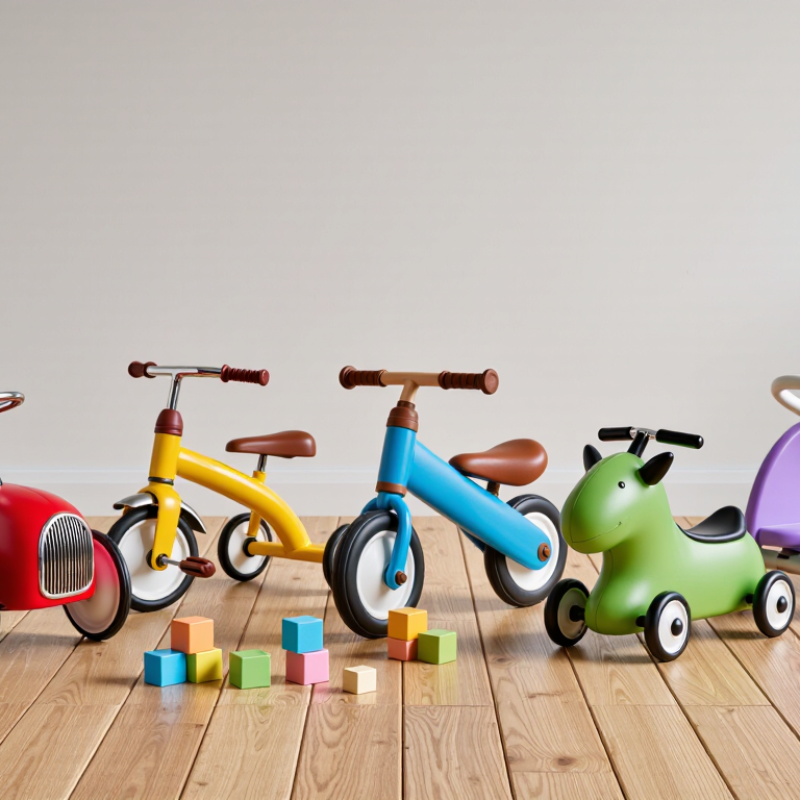
Ride-On Toy Categories and Their Defining Features in 2026
Ride-on toys in 2026 generally fall into four groups: foot-to-floor cars, pedal vehicles, battery-powered models, and rocking or gliding toys. Foot-to-floor designs suit toddlers who push along with both feet. Pedal versions build coordination and need more room to turn. Battery-powered rides add switches, controlled speed, and rechargeable batteries. Rockers work indoors, where a small footprint matters.
Circana reported that U.S. toy sales rose 6% in 2024. This broad industry figure signals a growing toy market, not ride-on-specific demand. Buyers should compare categories by age fit, surface, steering, and adult supervision needs. A ride that performs well on smooth flooring may struggle on grass. The categories overlap. That distinction is easy to miss.
Tips: Check the maker’s age and weight guidance, then inspect the seat, wheels, and controls. For battery-powered toys, look for a clear charging guide and accessible shutoff. Choose a stable model for uneven paths. One limitation: category labels can hide big differences in size and handling, so compare the actual features, not just the toy type.
Pedal-Powered Cars, Trikes, and Wagons
Pedal-powered cars, trikes, and wagons meet different play needs in 2026. A pedal car suits flat paths and open driveways, where children can steer without traffic nearby. Trikes offer a lower seat and broad stance, which can help beginners practice balance and turning. Wagons are less about independent riding. They carry toys, snacks, or a tired passenger on family walks.
Circana’s 2023 U.S. toy-market report recorded $28.3 billion in sales, down 8% from 2022. That figure covers the entire toy market, not ride-on vehicles specifically, so it should not be read as a category forecast. Still, it signals a crowded market where useful details matter.
Look for a stable wheelbase, smooth edges, clear age and weight limits, and controls a child can reach while seated.
Small details count.
A trike may work well on a short paved loop; a wagon needs room to turn and a caregiver nearby. Pedal cars can frustrate children if pedals sit too far forward. Fit matters. Before buying, measure the child’s inseam and compare it with the seat and pedal layout.
Check the product’s safety information against applicable toy-safety requirements, including ASTM F963 where relevant. And be realistic: outdoor play depends on space, weather, and supervision—not just the toy.
Battery-Powered Cars, Trucks, and Motorcycles
Battery-powered cars, trucks, and motorcycles give children a more active way to explore the yard or driveway. Cars usually feel steady, with a low seat and simple steering. Trucks often offer extra room and larger tires for firm grass or uneven paths. Motorcycles are narrower and call for more balance, so check the maker’s age and skill guidance carefully. Small details matter. A wide seat, reachable controls, and a clear battery indicator can make a ride less frustrating.
Compare the vehicle’s stated age range, weight limit, speed settings, and charging instructions before choosing. Runtime depends on the child’s weight, the surface, and repeated starts; advertised figures may not match a hilly lawn. That part is easy to overlook. For younger riders, a slower setting and an open, level area make practice easier to supervise.
Keep rides away from roads, pools, and steep slopes, and use any recommended protective gear. Check that the charger matches the vehicle, inspect tires and controls regularly, and let the battery cool as directed before charging. A powerful model can look exciting, but careful fit matters more than top speed.
Balance Bikes, Scooters, and Other Foot-Powered Ride-Ons
Balance bikes, scooters, and foot-powered ride-ons let children move at their own pace. A balance bike teaches steering and balance before pedaling; a three-wheel scooter offers a wider, steadier stance. Match the ride-on to the child’s height, coordination, and riding surface. Small wheels can catch on cracks, while gravel makes steering harder.
Fit matters. A child should be able to stop and step off without struggling. The CDC recommends that children ages 6–17 get at least 60 minutes of physical activity daily; short rides can contribute, but they are not a complete activity plan.
Safety deserves equal attention. The U.S. Consumer Product Safety Commission estimated 231,700 toy-related injuries treated in emergency departments in 2023. That figure covers toys broadly, not ride-ons alone, but it is a useful reminder to check equipment and supervision. Look for loose grips, sharp edges, and wheels that wobble.
Choose a smooth, low-traffic practice area, and use a properly fitted helmet. A balance bike is not automatically the right pick; some children feel more confident on a stable, low scooter.
Tips: Let children test the ride-on while standing still first. Adjust the seat or handlebar so they can reach comfortably. Recheck fasteners often. Even careful choices can’t prevent every fall.
Specialty Ride-Ons for Different Ages and Play Environments
In 2026, ride-on toys will reflect diverse needs across various age groups. Toddlers will adore simple, sturdy ride-ons designed for indoor play. These toys help develop balance and coordination. Safety features are crucial. Soft edges and non-toxic materials are standards parents seek. Children will enjoy colorful designs that attract their attention.
For preschoolers, outdoor ride-ons will become popular. These toys encourage physical activity and imagination. Options like miniature scooters or pedal toys will thrive. They foster independence and enhance motor skills. Some designs may look appealing but can lack proper stability. Parents should carefully evaluate these aspects.
Older kids may prefer more complex ride-ons. Electric vehicles or larger ride-ons for adventurous play will capture their interest. These toys can often be exciting but require adult supervision. The thrill of speed invites excitement, though parents must consider safety and age recommendations. Reflecting on available options can lead to informed choices for playtime enjoyment.
| Ride-On Type | Typical Age Range | How It Moves | Best Play Environment | Practical Considerations |
|---|---|---|---|---|
| Foot-to-Floor Ride-On | About 1–3 years | Children propel themselves by pushing their feet against the ground. | Indoor play areas or smooth, level outdoor paths. | Choose a stable design with a seat height that lets the child place both feet on the ground. Use away from stairs, slopes, and traffic. |
| Push-and-Ride Toy | About 1–3 years | An adult pushes the toy using a handle; some models convert for child-powered riding. | Close-supervision walks on flat sidewalks, patios, or spacious indoor areas. | Check that the handle is secure and that the product is designed for the child’s current stage. A push handle does not replace supervision. |
| Balance Ride-On | About 2–5 years | The rider sits low and uses feet to push, steer, and practice balance. | Open, smooth surfaces such as a level driveway or paved play area. | Look for an appropriate seat height and easy-to-grip steering. Avoid steep slopes and uneven ground; protective gear is advisable for outdoor riding. |
| Pedal Tricycle | About 2–5 years | The rider turns pedals to move the front or rear wheel. | Flat, paved paths or a clear, enclosed outdoor play space. | Pedaling and steering require coordination. Select a size the child can control, and supervise near roads, driveways, and other riders. |
| Rocking Ride-On | About 1–3 years | The child shifts body weight to rock while the base stays in place. | Indoor play on a level floor with clear space around the toy. | Use on a stable surface and follow the manufacturer’s age and weight guidance. Keep the surrounding area free of hard obstacles. |
| Battery-Powered Ride-On | Often 3 years and up; varies by model | A rechargeable battery powers the motor; the rider controls movement with a switch or pedal. | Private, level outdoor areas or large, unobstructed spaces specifically suitable for the model. | Speed, controls, and rider limits vary. Follow the product manual, use the recommended protective equipment, supervise closely, and avoid public roads. |
| Pedal-Powered Go-Kart | Often 3 years and up; varies by size and design | The rider pedals and steers, usually from a low seated position. | Broad, flat paved or compact surfaces with plenty of stopping and turning space. | Check that the child can reach the pedals and steering comfortably. Keep away from slopes, vehicles, and areas with pedestrian traffic. |
| Ride-On Wagon | Varies by model; commonly intended for preschool-age children and older | The child sits in a wheeled wagon that is pulled or pushed by an adult. | Supervised outings on smooth paths and spacious, level outdoor areas. | Use only as directed by the manufacturer. Check seating, restraints if provided, and load limits; do not use on steep slopes or near traffic. |
Note: Age ranges are general examples, not guarantees of suitability. Always follow the individual product’s age, height, weight, surface-use, and supervision instructions.