Why Choose Magnetic Sunglasses for Wholesale?

Wholesale buyers are looking for products that combine practicality, comfort, and reliable demand. Magnetic Sunglasses meet these expectations by pairing a standard optical frame with a detachable sun lens. Customers can switch from clear vision to outdoor protection within seconds. That small movement matters in a bright parking lot, on a seaside walk, or during a sudden commute.

Dr. Gary Heiting, an optometrist and optical writer, has expressed a useful principle: “The best sunglasses are the ones you will wear.” For wholesalers, this idea connects directly with product usability. Magnetic Sunglasses can reduce the need to carry a separate pair, while offering retailers a clear demonstration point at the counter. A salesperson can show the magnetic connection, lens alignment, and removal process in a few seconds. Simple sells.

However, convenience should not replace quality control. Buyers should examine magnet strength, hinge durability, frame comfort, lens clarity, and verified UV protection. Polarized lenses may also improve glare control, but claims require credible testing and documentation. Packaging deserves attention too. A scratched clip-on can damage customer confidence before the first use.

The opportunity is real. The product is not flawless. Poor alignment, weak magnets, or limited frame compatibility can create returns. Careful sampling remains essential. Wholesale success depends on choosing dependable suppliers, testing actual units, and matching designs with local customer habits. With that discipline, Magnetic Sunglasses can become more than an accessory. They can become a practical, repeatable retail solution.
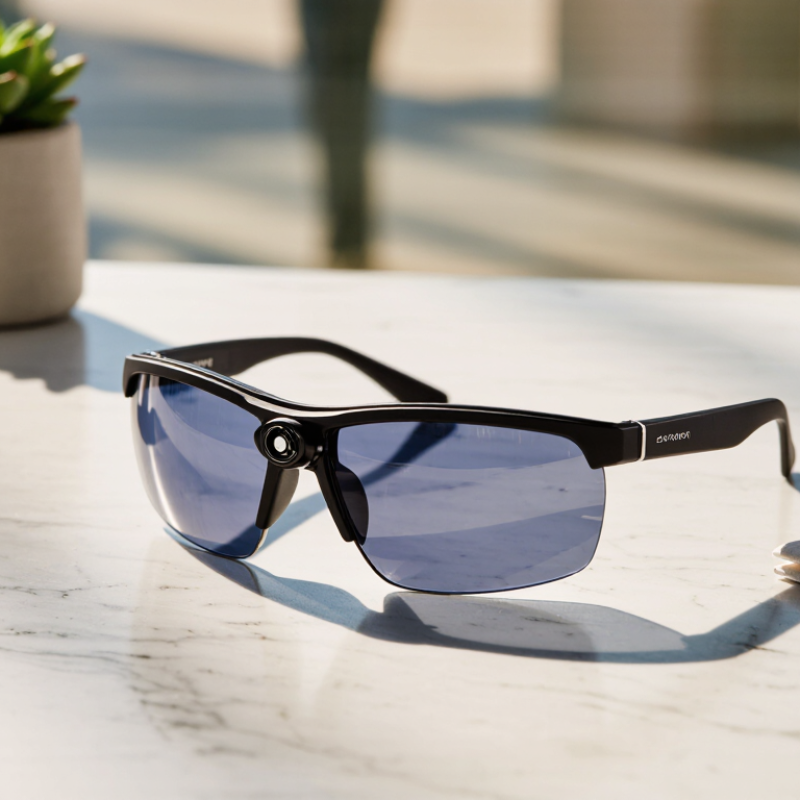
Why Choose Magnetic Sunglasses for Wholesale?

What Are Magnetic Sunglasses and How Do They Work?

Magnetic sunglasses are eyewear systems with a removable sun lens attached by small magnets. A clear optical frame holds the prescription or everyday lenses. The tinted front lens connects near the bridge and outer edges. When placed correctly, the magnets guide it into position. This makes switching lenses quick, especially outdoors or during travel. Some models also use side clips for extra stability. The mechanism is simple, but precision matters.

For wholesale buyers, this design can offer practical product variety. One frame may support several lens options, including tinted, polarized, or contrast-enhancing versions. In product inspections, the useful details are easy to notice. The magnets should sit evenly and avoid scratching the frame. The clip should stay secure during normal movement, yet release without excessive force. A weak connection feels frustrating. Lens quality also deserves careful testing. Polarization may reduce glare, but it does not automatically prove strong UV protection. Suppliers should provide clear test documentation for optical and UV claims.

Fit remains a common concern. A magnetic front may not match every frame shape or prescription size. Small gaps can appear at the bridge. That is not always a defect, but it needs honest product specifications. Wholesale samples should be checked for alignment, hinge movement, lens distortion, and repeated attachment cycles. The system is convenient, not perfect. That limitation is worth considering before placing a large order.

Key Benefits of Magnetic Sunglasses for Wholesale Buyers

Magnetic sunglasses offer wholesale buyers a practical way to expand eyewear collections without carrying too many complete frames. A detachable sun lens can turn one optical frame into a flexible day-to-outdoor option. This feature may improve customer convenience and create a clear selling point at the display counter. Fit matters. Strong, well-aligned magnets should hold the lens securely during normal movement. Buyers should also inspect hinge quality, frame balance, and lens clarity before placing large orders.

The main wholesale benefits include product variety, simpler inventory planning, and potential value for retailers. A small selection of compatible frames can support several lens styles, including polarized or colored options. However, magnetic compatibility is not universal. Poor alignment can cause slipping, visible gaps, or customer complaints. Ask suppliers for sample units, test reports, packaging details, and replacement-part policies. UV protection claims should be verified through reliable documentation, not printed promises. Small details matter.

Tips: Test samples on different face shapes and frame sizes. Check how easily customers can attach and remove the lenses. Review magnet strength after repeated use. Compare return rates from trial batches before increasing order volume. Avoid choosing only by the lowest unit price; weak coatings or loose fittings can reduce long-term value. I might underestimate display education, too. A simple fitting guide can prevent confusion and improve staff confidence.

Popular Magnetic Sunglasses Styles and Lens Options

Magnetic sunglasses are gaining attention in wholesale because one frame can support several everyday looks. Popular styles include slim metal frames, oversized square shapes, sporty wraps, and lightweight acetate designs. Clip-on systems suit prescription eyewear users, while flip-up versions help drivers move quickly between bright streets and indoor spaces. The Vision Council’s consumer research has reported that roughly three in four U.S. adults use some form of vision correction. That figure makes adaptable sunglasses more than a fashion option. They can solve a practical problem.

Lens choice strongly affects product value. Polarized lenses reduce reflected glare from roads, glass, and water. They are useful for driving and outdoor work, but they should not be advertised as complete eye protection. Photochromic lenses darken outdoors and remain clearer indoors, although heat and vehicle windows can affect performance. UV400 lenses are widely requested because they block UVA and UVB radiation when properly tested. The World Health Organization estimates that at least 2.2 billion people have near or distance vision impairment globally. Clear optical compatibility matters. In wholesale sampling, magnetic strength, hinge alignment, and lens coverage deserve close inspection. A weak connection feels cheap. Small gaps may also reduce comfort. Blue-light lenses attract interest, yet their benefits remain debated, so careful wording builds trust. Some buyers prefer color variety over technical features. That assumption can be wrong. Surveying retailers before ordering may prevent excess stock.

Why Choose Magnetic Sunglasses for Wholesale? - Popular Magnetic Sunglasses Styles and Lens Options

Product Style Typical Magnetic Design Common Lens Options Main Consumer Use Wholesale Advantages Typical Retail Price Range*
Magnetic Clip-On Sunglasses Front clip attaches to prescription eyewear with small magnets or magnetic bridge points. Polarized, non-polarized tinted, gradient, mirror-coated, and photochromic-compatible options. Driving, commuting, outdoor activities, and everyday glare reduction. Compact inventory, easy product demonstration, and strong compatibility appeal for prescription-wearers. US$15–45
Magnetic Flip-Up Sunglasses A hinged magnetic sun lens flips upward when the wearer moves between bright and darker environments. Gray, brown, polarized, and anti-reflective lens configurations. Driving, fishing, hiking, and variable-light travel. Adds visible functionality and supports upselling through convenience-focused merchandising. US$20–55
Magnetic Convertible Eyewear Interchangeable front frames or lens assemblies connect to a base frame using concealed magnets. Clear optical lenses, polarized sun lenses, colored lenses, and mirror finishes. Work-to-outdoor transitions, travel, and fashion-oriented daily wear. One base frame can support multiple looks, reducing perceived cost per use and encouraging accessory sales. US$25–70
Magnetic Sports Sunglasses Lightweight base frame with a detachable sun shield, secure bridge magnets, and optional retention features. Polarized, impact-resistant polycarbonate, interchangeable colors, and contrast-enhancing tints. Cycling, running, golf, fishing, and other outdoor sports. Performance features support specialty retail, sporting-goods distribution, and seasonal promotions. US$30–90
Magnetic Oversized Fashion Sunglasses Large sun lens or decorative front attaches to a lightweight fashion frame through discreet magnetic points. Solid tint, gradient, translucent color, mirror, and UV400-rated lens options. Fashion retail, holidays, festivals, and everyday sun protection. Eye-catching shelf presentation, broad color assortment, and suitability for seasonal collections. US$15–50
Magnetic Kids’ Sunglasses Small, lightweight frame with a detachable magnetic sun shield and flexible temples where appropriate. UV400-rated tinted lenses, polarized lenses, and impact-resistant polycarbonate. Playgrounds, family travel, school outdoor activities, and beach use. Accessible price positioning, gift potential, and demand for practical family accessories. US$10–35

Popular Magnetic Sunglasses Lens Options

Lens Option Key Function Best-Selling Applications Wholesale Consideration
Polarized Lenses Reduce reflected glare from relatively flat surfaces such as roads and water. Driving, fishing, boating, beachwear, and outdoor sports. A strong premium feature; verify polarization quality and optical clarity before bulk purchasing.
UV400-Rated Lenses Designed to block ultraviolet radiation up to approximately 400 nanometers when properly tested and certified. General outdoor use, travel, fashion, and children’s eyewear. Request test documentation and confirm compliance with the destination market’s eyewear requirements.
Photochromic Lenses Darken in response to ultraviolet exposure and become clearer indoors; performance varies by temperature and environment. Daily commuting, cycling, walking, and variable-light conditions. Useful for premium assortments, but product descriptions should clearly state activation limits and transition behavior.
Gradient Lenses Darker at the top and lighter toward the bottom, balancing overhead sunlight with lower-field visibility. Driving, fashion eyewear, shopping, and city commuting. Broad style appeal and suitable for color-based seasonal collections.
Mirror-Coated Lenses Reflect part of incoming visible light and create a reflective outer appearance. Sports, beachwear, fashion collections, and high-brightness environments. Visually distinctive for displays; inspect coating durability and scratch resistance.
Impact-Resistant Polycarbonate Lightweight lens material with higher impact resistance than ordinary glass, subject to product-specific testing. Sports, children’s eyewear, active lifestyles, and travel. Supports safety-focused positioning; confirm applicable impact and optical standards for the target market.

*Typical retail price ranges are indicative estimates in U.S. dollars for non-branded products and vary by materials, lens certifications, packaging, customization, order quantity, and sales channel.

How to Evaluate Quality, Safety, and Supplier Reliability

Magnetic sunglasses can simplify wholesale inventory, but quality must be checked beyond appearance. The Vision Council’s 2024 Consumer Insights Report reported that about 80% of U.S. adults own sunglasses. That demand increases the cost of weak quality control. Ask for independent UV-transmission test reports, not only “UV400” printed on packaging. UV400 is a claim, not proof. Confirm lenses meet ISO 12312-1 requirements for general sunglasses. For United States sales, verify applicable impact-resistance requirements under 21 CFR 801.410.

Inspect the magnetic connection by opening and closing it repeatedly. The bridge should align smoothly, without loose movement or sharp edges. Test the attachment over a clean table, not a showroom carpet. Polarized lenses can reduce glare, but polarization does not automatically confirm UV protection. I would request batch-level test results, material specifications, and samples from actual production. One sample can look excellent. A full carton may not.

Supplier reliability needs evidence. The ISO Survey 2023 recorded more than 1.5 million valid ISO 9001 certificates worldwide, showing certification is common but not conclusive. Check the certificate scope, audit status, factory address, and production records. Request defect-rate data from recent shipments, including scratched lenses and weak magnets. A supplier should explain corrective actions clearly. If answers change between sales staff and factory managers, pause the order. My own caution is simple: low pricing can be attractive, yet replacing unsafe or inconsistent stock costs more than testing before shipment.

Pricing, Customization, and Order Planning for Wholesale Purchases

Why Choose Magnetic Sunglasses for Wholesale?

Magnetic sunglasses offer practical value for distributors managing several customer needs. Buyers can switch from clear lenses to sun protection within seconds. Grand View Research valued the global eyewear market at about US$115.9 billion in 2022. Its report forecasts an 8.1% annual growth rate through 2030. This growth supports demand for flexible eyewear, but price still controls wholesale decisions. A low quote is not always a low-cost purchase.

Compare the full landed cost, including lenses, magnets, packaging, samples, freight, and quality checks. Ask suppliers for material details, UV protection test results, magnet strength, and tolerance standards. Custom options may include frame colors, lens shades, logo placement, packaging size, and clip-on shape. However, too many variations can slow production and increase unsold stock. Keep early customization focused.

Order planning needs evidence. Allied Market Research estimated the sunglasses market at US$20.6 billion in 2021 and projected US$31.4 billion by 2031. Review sales by color, lens type, season, and customer segment before selecting quantities. A small pilot order can test fit, packaging, and return reasons. Leave room for defects and delayed freight. Forecasts are imperfect. That matters. Recheck demand after four to six weeks, then adjust the next purchase instead of repeating assumptions.