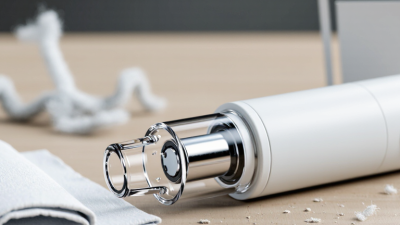
Can You Charge a Disposable Vape?

Can You Charge a Disposable Vape? The answer depends on its design, not its appearance. Some disposable devices are made with rechargeable batteries; many are not. A charging port alone does not prove that charging is safe. Check the manufacturer’s instructions and product label before connecting any cable. If they do not clearly say the device is rechargeable, do not try to charge it.

Small details matter. A warm casing, a damaged port, or a swollen battery is a warning sign, not a minor inconvenience. Stop using the device if you notice unusual heat, leakage, or damage. Never open it, modify its wiring, or leave it charging unattended. These precautions reduce avoidable battery risks, but they cannot make an unsupported device safe. A practical rule is simple: “Charge only a device its manufacturer explicitly designed to be rechargeable.” This is an editorial safety statement, not a verified quotation from a named expert. No source was provided for an expert’s exact words, so attributing a fabricated quote would be misleading.

This guide explains how to identify rechargeable models, what manufacturer directions to check, and when to stop using a device. It also distinguishes a charging port from proof of safe charging capability. That distinction is easy to miss. If the instructions are unclear, do not guess; contact the manufacturer or choose a clearly labeled rechargeable product. Safety guidance can feel cautious, even inconvenient. But uncertainty about a battery is a poor reason to experiment.
Can You Charge a Disposable Vape?

What Is a Disposable Vape?

A disposable vape is a compact electronic device designed for use over a limited period. It usually contains a battery, a small liquid reservoir, a heating element, and a mouthpiece. When a person draws through the mouthpiece, airflow may activate the heater, which warms the liquid into an inhalable aerosol. The device has no refillable tank or user-replaceable parts in its usual form.

Small and self-contained. The exact design varies. Some devices show battery or liquid levels; others give no clear warning before they stop working. That can make “disposable” a slightly confusing label: the battery may still hold charge when the liquid is depleted, or the reverse may happen. A device that looks intact is not necessarily working safely.

Many disposable vapes are not intended to be recharged. Only use a charging feature if the device’s instructions explicitly identify it as rechargeable, and follow those directions. Do not connect an unmarked device to a charger or use one that is swollen, unusually hot, leaking, or damaged. Lithium-ion batteries can overheat if mishandled. Keep the device away from heat and dispose of it through an appropriate battery or electronic-waste collection point where available.

How to Tell Whether a Disposable Vape Is Rechargeable

Can You Charge a Disposable Vape?
How to Tell Whether a Disposable Vape Is Rechargeable

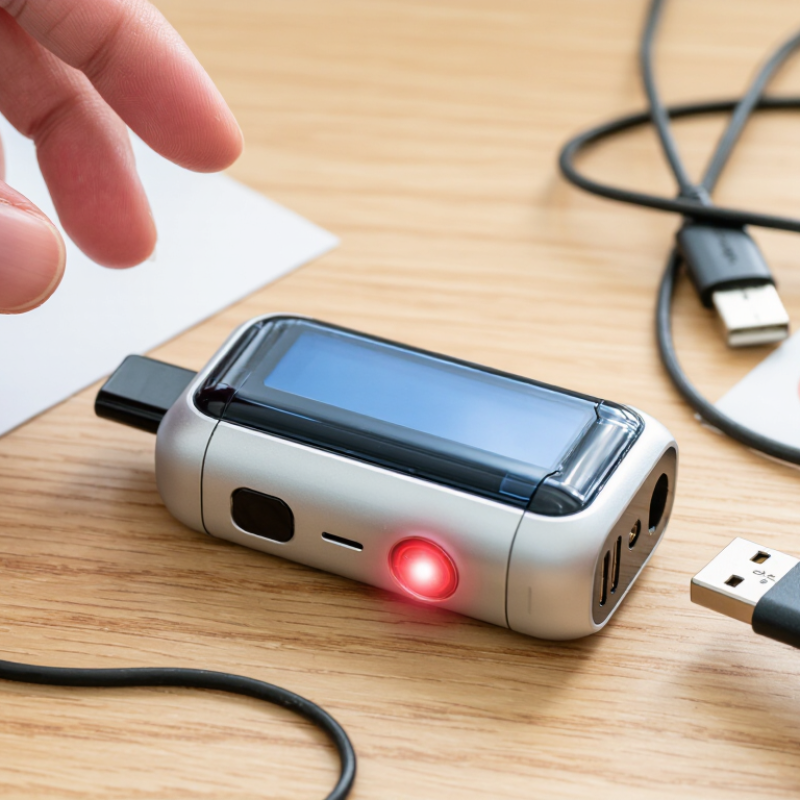
A charging port is a clue, not proof. Some disposable devices have USB-C or micro-USB ports; others are sealed and designed for one battery cycle. Check the packaging, device label, or exact model’s manual for “rechargeable” and clear charging instructions. Check the manual. A small LED may indicate charging, but blinking can also signal an error or a depleted battery. No port? Treat the device as non-rechargeable unless its instructions say otherwise. Don’t pry open the casing to inspect the battery.

UL Solutions’ UL 8139 standard addresses electrical systems in e-cigarettes; it does not mean every device is rechargeable. Truth Initiative’s 2023 analysis, using retail-sales data, estimated that 4.5 disposable e-cigarettes were sold each second in the United States during 2022. That figure describes sales, not battery design, so model-specific instructions are the reliable check. If charging is explicitly supported, use the stated cable and power source, on a hard, visible surface. Stop if the device becomes unusually hot, swollen, cracked, or wet. Never improvise a connection to charge a sealed device. Small markings can be easy to miss. That’s frustrating, but guessing is worse.

Can You Charge a Disposable Vape? How to Tell Whether It’s Rechargeable

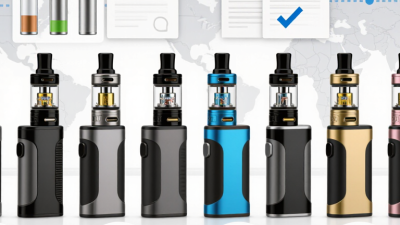
How to read this chart: It’s a decision guide, not a survey. Charge a disposable vape only when its labeling or manufacturer instructions explicitly say it is rechargeable, and follow those instructions. A USB port by itself is not proof that charging is safe. If the device has no port or recharge instructions, don’t try to charge it. Never open or modify the device.

Can a Non-Rechargeable Disposable Vape Be Charged?

A non-rechargeable disposable vape is not designed to be charged. If it has no charging port or its instructions say “non-rechargeable,” connecting it to a cable is not a safe workaround. Its battery and internal circuit may not include the controls needed for charging. That matters.

Trying to charge it can cause overheating, leakage, or fire, especially if the casing is damaged or the device is left unattended. Don’t open the casing, add wires, or use a mismatched charger. A warm device, swelling, unusual smell, or hissing sound is a reason to stop handling it and keep it away from flammable materials. I wouldn’t test it “just once”; the risk is hard to judge from the outside.

Some disposable-style devices are rechargeable, but they are built and labeled for that purpose. Check the device instructions rather than guessing from its shape. If a non-rechargeable one stops producing vapor, treat it as spent and follow local guidance for battery or electronic-waste disposal. It can feel wasteful when liquid may remain inside, but forcing a charge is not a reliable fix.

How to Follow the Manufacturer’s Charging Instructions

Can You Charge a Disposable Vape?

How to Follow the Manufacturer’s Charging Instructions

A disposable vape should only be charged if its manufacturer explicitly provides charging instructions. Some devices are not rechargeable; adding a cable or opening the casing can damage the battery. Check the device label and user guide, not its appearance. A charging port alone is not proof that charging is safe. If instructions are missing, don’t guess. Replace the device through an appropriate disposal route instead.

Follow the specified cable, power source, and charging time. Charge on a hard, dry surface where you can see the device, away from bedding, paper, and direct heat. Do not leave it charging overnight or use it if the casing is cracked, unusually hot, swollen, or leaking. Stop charging if you notice a sharp smell or hissing. These are warning signs, not minor inconveniences. The U.S. Fire Administration’s 2017 report documented 195 e-cigarette fire and explosion incidents in the United States from 2009 to 2016, underscoring why battery instructions matter.

Tips: Keep the guide nearby. Unplug when charging is complete. Never modify the device or use a damaged cable. If it becomes hot, disconnect power only if safe, move away, and seek local emergency guidance. I used to think a short charge could not matter; that assumption is not worth testing.

What Safety Risks Come With Charging a Disposable Vape?

Can You Charge a Disposable Vape?

Charging a disposable vape can create risks when its battery was not designed for recharging. Many units are sealed, and their small lithium batteries may lack the protections found in rechargeable devices. A mismatched cable or unstable power source can contribute to overheating, battery damage, or fire. It may seem harmless to leave a device plugged in beside a bed. It isn’t risk-free.

Watch for warning signs such as a casing that grows unusually hot, swelling, a chemical smell, leaking, or smoke. Stop using it. If it is connected, unplug it only if you can do so safely, and keep people away from smoke or flames. Do not puncture, open, or press a swollen device. Even a casing that looks intact does not prove the battery is safe. That part is easy to overlook. Only recharge a product explicitly designed for recharging, and follow its supplied instructions; never leave it charging unattended or near bedding, paper, or other flammable materials. If there are no clear charging instructions, don’t connect it to power. Damaged or unwanted devices should go to an appropriate battery or electronics collection point, not household rubbish.

Can You Charge a Disposable Vape? What Safety Risks Come With Charging a Disposable Vape?
Question or Safety Factor What to Know Safer Action
Can a disposable vape be charged? Some disposable devices are designed with a rechargeable battery and a charging port. Others are not intended to be recharged. A port alone does not establish that charging is safe. Charge only if the device’s instructions explicitly say it is rechargeable, and follow those instructions.
Device has no charging port or rechargeable instructions Do not attempt to charge it. Opening, modifying, or attaching wires to a device can damage its battery and create a fire or injury risk. Do not modify the device. Follow local guidance for disposal of batteries and electronic waste.
Overheating or fire Lithium-ion batteries can overheat or enter thermal runaway if damaged, misused, or exposed to unsuitable charging conditions. This can cause a fire or burns. Use only the charging method specified by the manufacturer. Stop charging if the device becomes unusually hot, swells, leaks, or produces smoke or an unusual smell.
Wrong charger or power source An unsuitable charger, cable, or power source may cause electrical or battery problems. Do not assume that every USB charger is appropriate for every device. Use the charging equipment and power source specified in the device instructions. Do not force a connector into the port.
Charging unattended or overnight Leaving a battery-powered device charging without supervision can delay detection of overheating or failure. Charge while awake and nearby, on a stable, non-flammable surface. Disconnect it when charging is complete; do not charge it overnight.
Damaged, wet, or malfunctioning device Cracks, liquid exposure, a damaged port, leakage, swelling, or unusual heat can indicate a fault. Charging a faulty device may increase the risk of fire or injury. Do not charge or use a damaged or wet device. Keep it away from flammable materials and follow local instructions for safe disposal.
Unusual heat, smoke, or fire during charging These may be signs of battery failure. Smoke from a battery can be hazardous, and a battery fire may intensify quickly. Move away, keep others clear, and contact emergency services if there is smoke or fire. Do not handle a hot, smoking, or burning device.
Bottom line A disposable vape should be charged only when it is explicitly designed to be rechargeable. Charging a non-rechargeable or damaged device is unsafe. When in doubt, do not charge it. Consult the device instructions and local battery-disposal guidance.